Home › Production Lines › Tomato Paste Production & Packaging Line

TOMATO PASTEPRODUCTION & PACKAGING LINE

Process fresh tomatoes into concentrated paste, then pack it in bulk or retail formats. The same packaging section can also run on ready-made bulk paste.

Configure your line Request an estimate

HIGH PERFORMANCE

RELIABLE DESIGN

PROCESS CONTROL

EASY TO MAINTAIN

COMPLETE TOMATO PASTE PRODUCTION & PACKAGING PROCESS

1

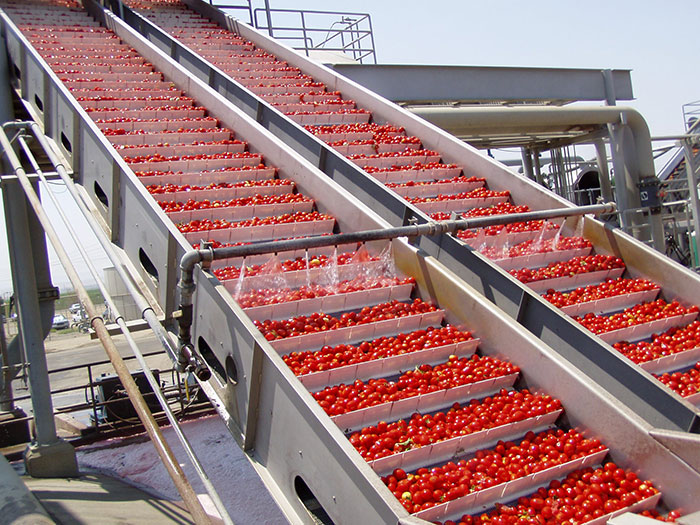
Raw material receiving

2

Washing

3

Sorting

4

Crushing

5

Preheating

6

Pulping & refining

7

Vacuum concentration

8

Paste buffering

9

Bulk filling or retail packing

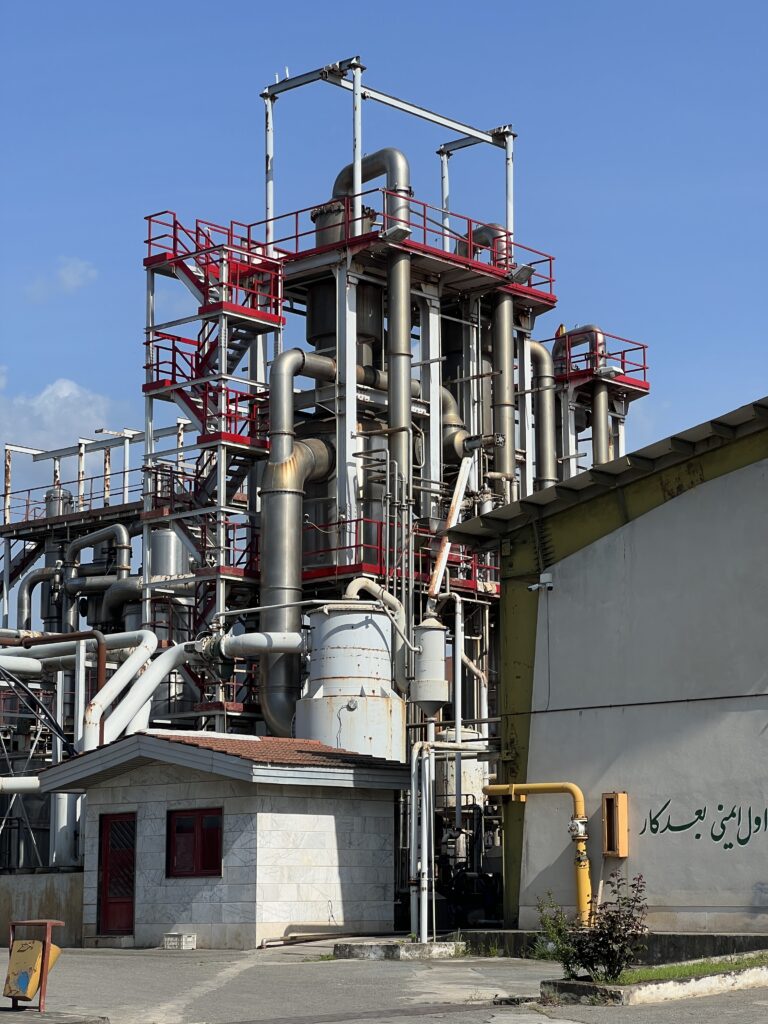
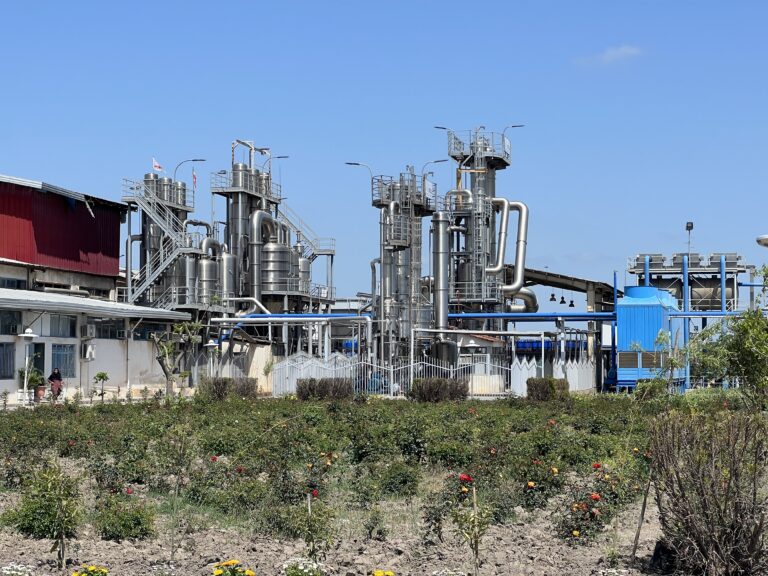
Tomato Paste Processing Plant

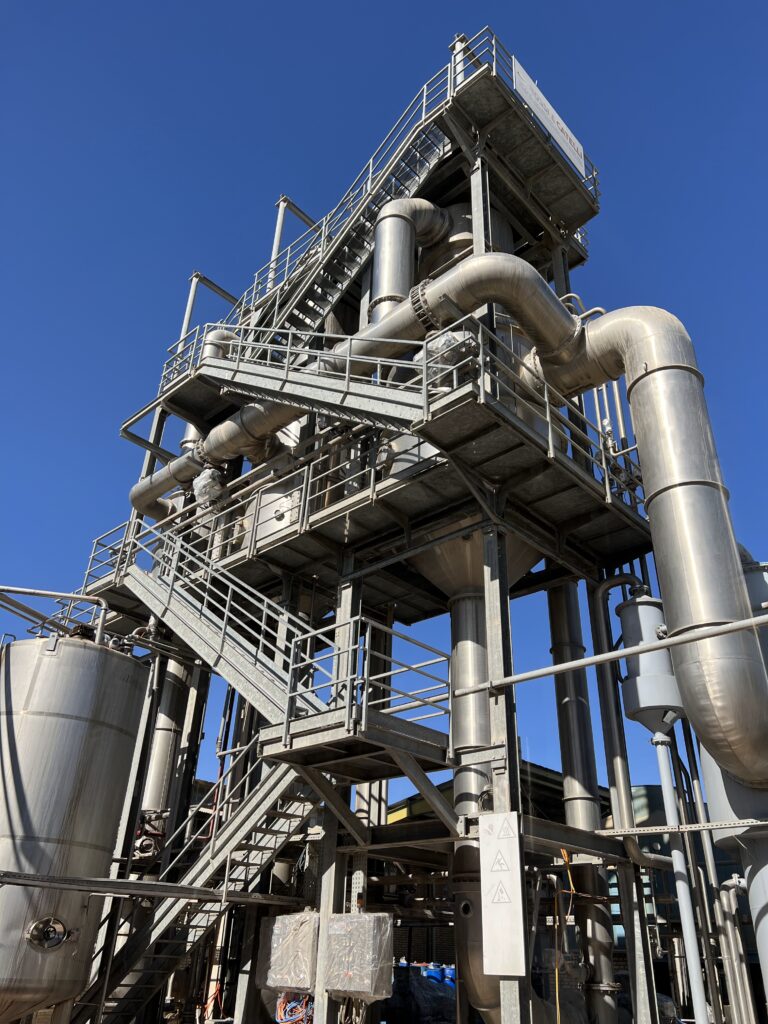
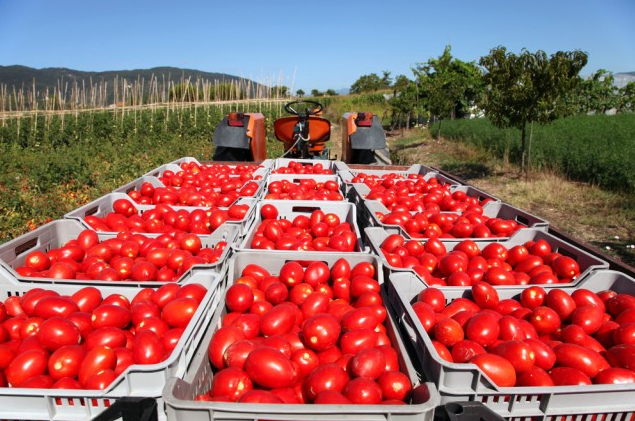
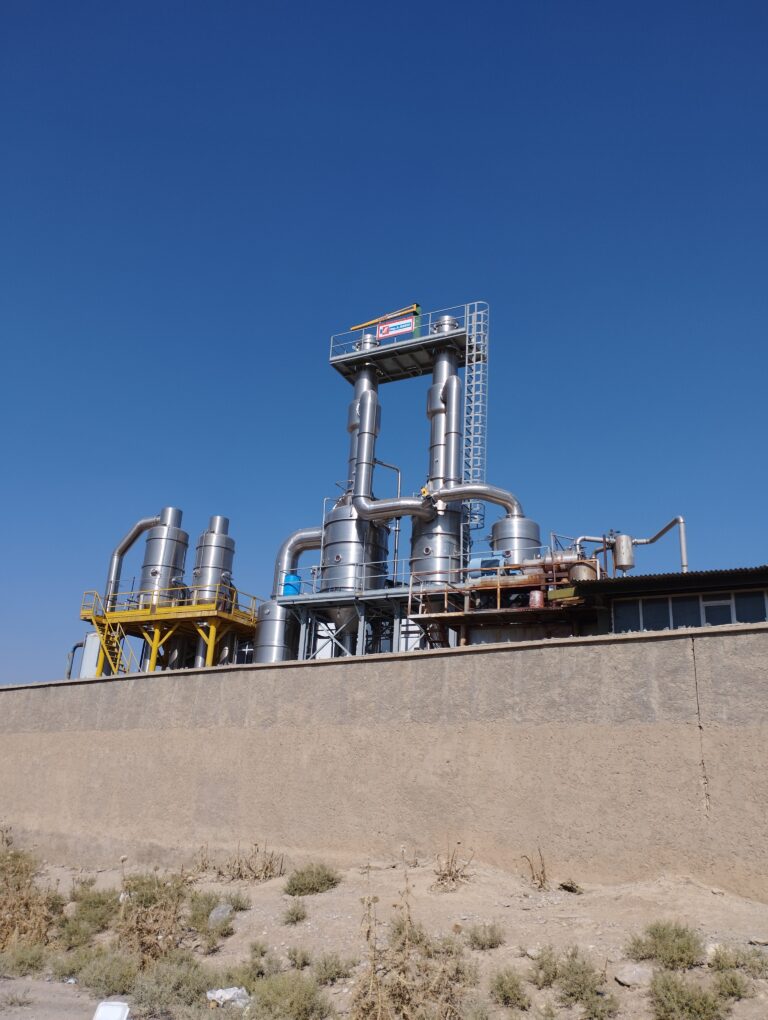
Liniea designs each line for the factory’s capacity, pack formats, automation and utilities. Fresh tomatoes are received, washed, sorted, crushed, preheated, refined and concentrated under vacuum. The process is designed to maximise extraction and preserve colour and flavour while reducing waste and energy use. Typical concentrations are 26, 32, 36 and 38 °Bx.

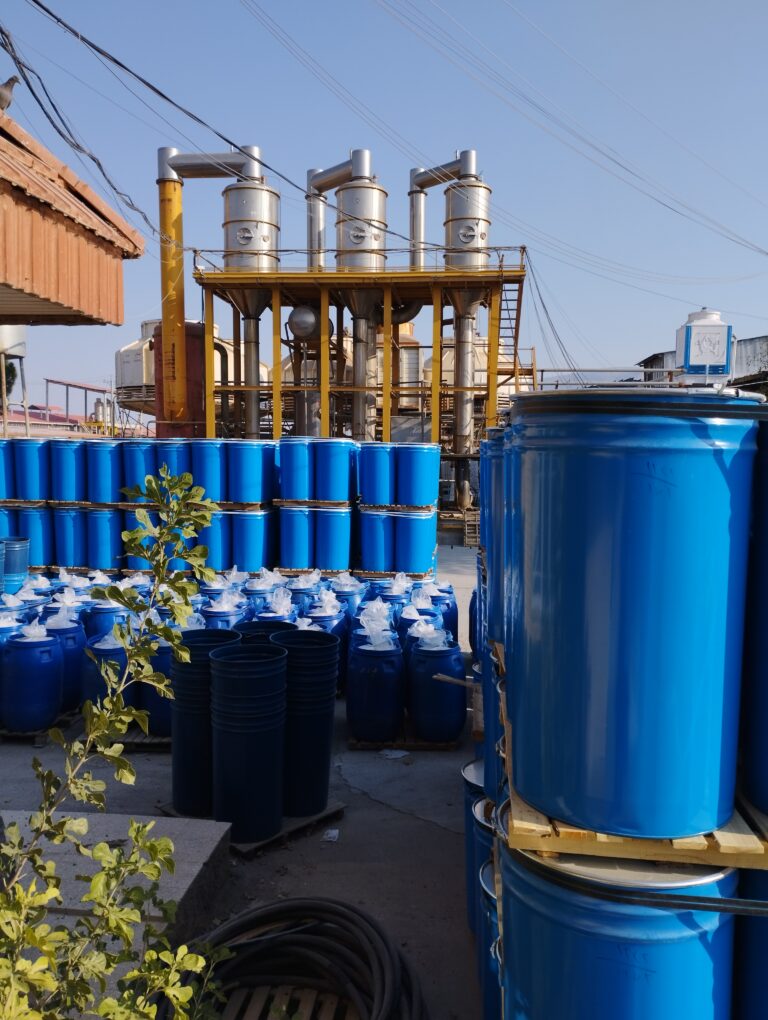
Packaging can run inline or independently with ready-made bulk paste. Depending on the pack, it includes conditioning, pasteurisation, accurate dosing, closing and post-closure treatment, followed by coding, labelling and packing. Change parts support cans, jars, sachets, multilayer pouches and suitable PET. Bulk options include drums and aseptic bags.

The equipment is configured for consistent fill weight, Brix and microbial control. Project services include ancillary equipment, installation, commissioning, trials, training and optimisation.

Request line catalogue

TECHNICAL SPECIFICATIONS

Fresh-tomato processing capacity 50, 300, 500, 800, 1,000 and 1,500 tonnes of fresh tomato input per 24 hours
Factory infrastructure requirements Electricity, water, and gas or diesel fuel
Fresh-tomato processing workforce 8–25 people, depending on the level of automation
Fresh-tomato processing space 2,400–6,000 m²
Production standard listed Standard 761
Equipment warranty 18 months
After-sales service 10 years
Bulk paste input for packaging10, 20, 50, 70 or 100 tonnes per day
Packaging workforce3–8 people, depending on automation
Packaging area1,400–3,200 m², depending on configuration
Packaging standards listed1881, 5489 and 6760
Get a custom solution

KEY FEATURES

  • Integrated receiving, sorting, washing and preparation
  • Crushing, pulping and controlled preheating
  • Bulk drums and aseptic packaging options
  • Process design focused on hygiene and stable operation
  • Coordinated product transfer and final packaging
  • Independent bulk-paste packaging or a fully integrated line
  • Retail filling and format-specific closing for cans, jars, pouches and compatible PET
  • Targeted automation from container feeding to pallet wrapping
  • Configuration matched to factory infrastructure
  • Installation, commissioning, training and performance optimisation

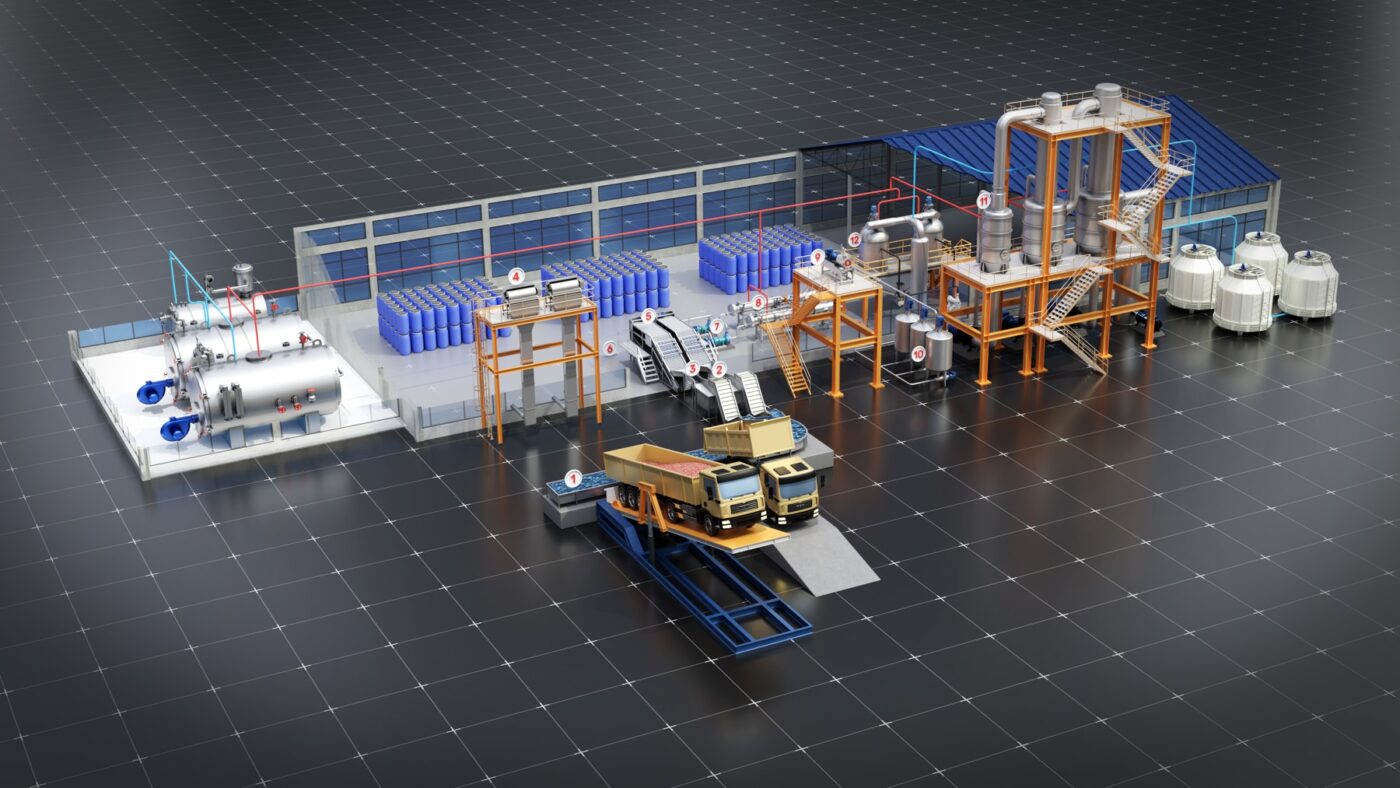
Production layout

  1. Washing channel
  2. Sorting conveyor
  3. Cutter
  4. Crusher
  5. Preheater
  6. Turbo refiner
  7. Storage tank
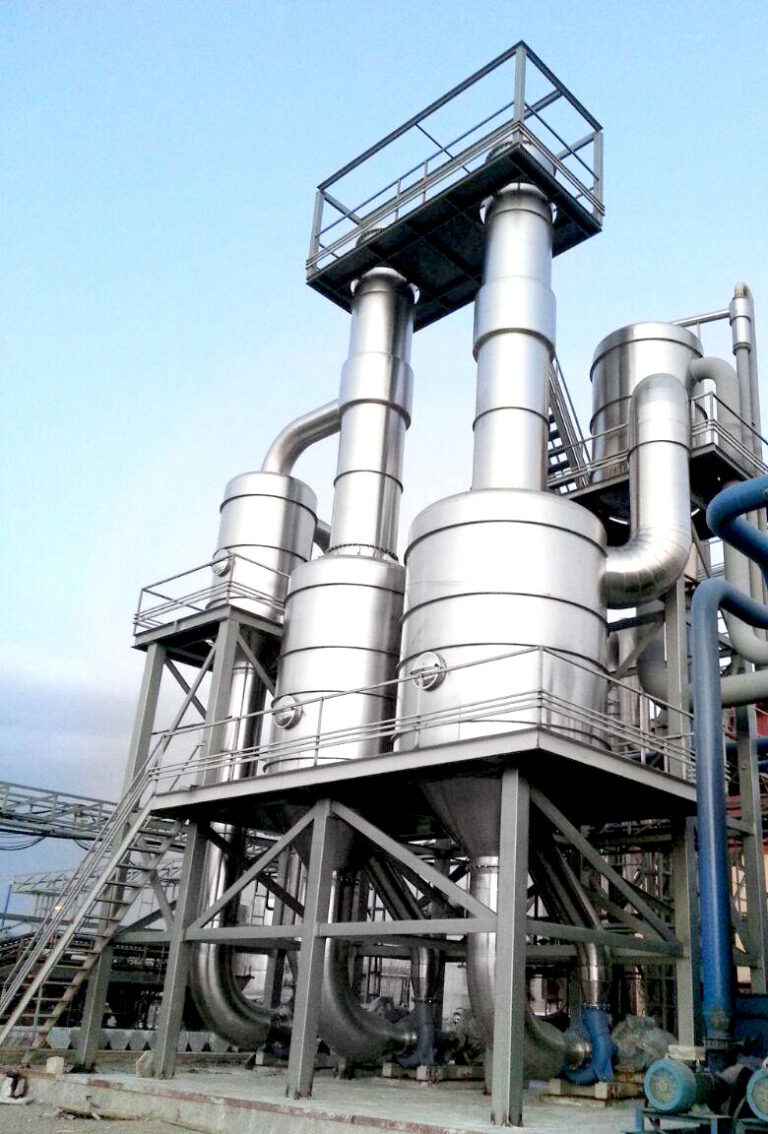
  8. Continuous evaporator
  9. Batch evaporator
Tomato layout – supplied production equipment image

Tomato paste production line layout supplied with the project materials.

Production layout

Tomato layout – supplied production equipment image

Tomato paste production line layout supplied with the project materials.

  1. Washing channel
  2. Sorting conveyor
  3. Cutter
  4. Crusher
  5. Preheater
  1. Turbo refiner
  2. Storage tank
  3. Continuous evaporator
  4. Batch evaporator

MAIN MACHINES INCLUDED

Tomato paste equipment — receiving washing sorting

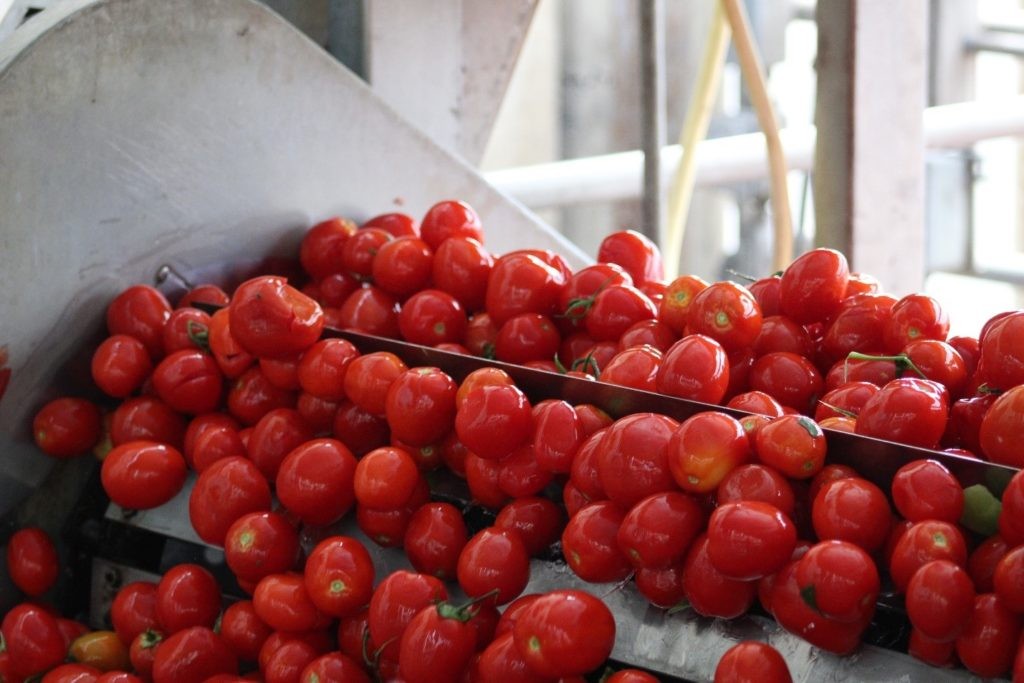
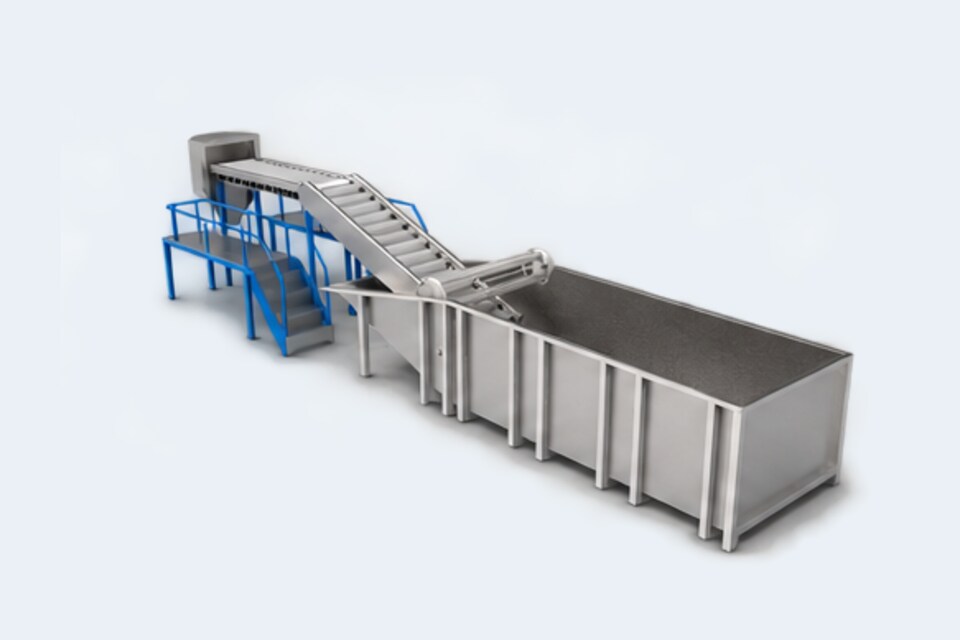
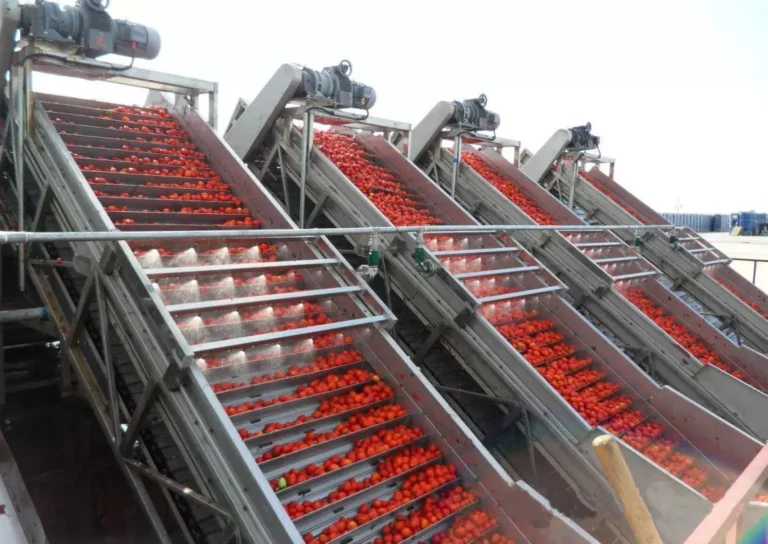
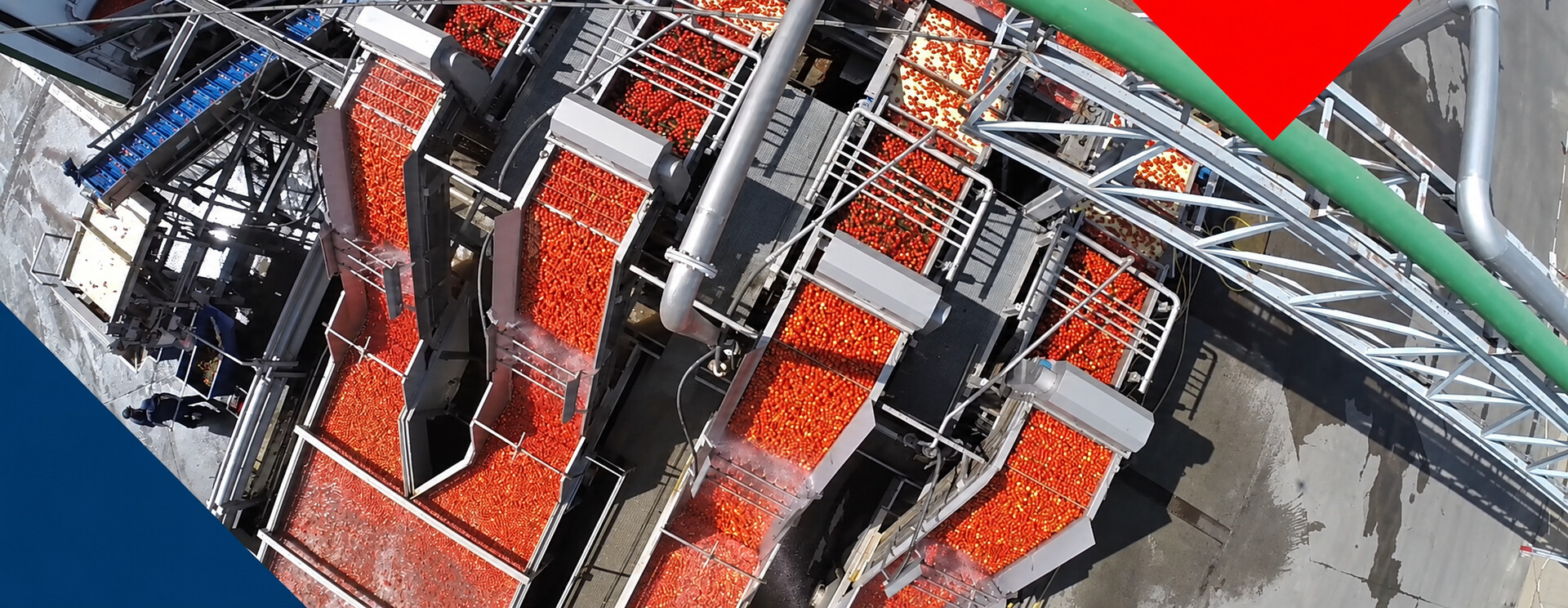
Receiving basin, washing channel and sorting conveyor

Unloads and aerates the washing stream, removes debris and sorts tomatoes before crushing.

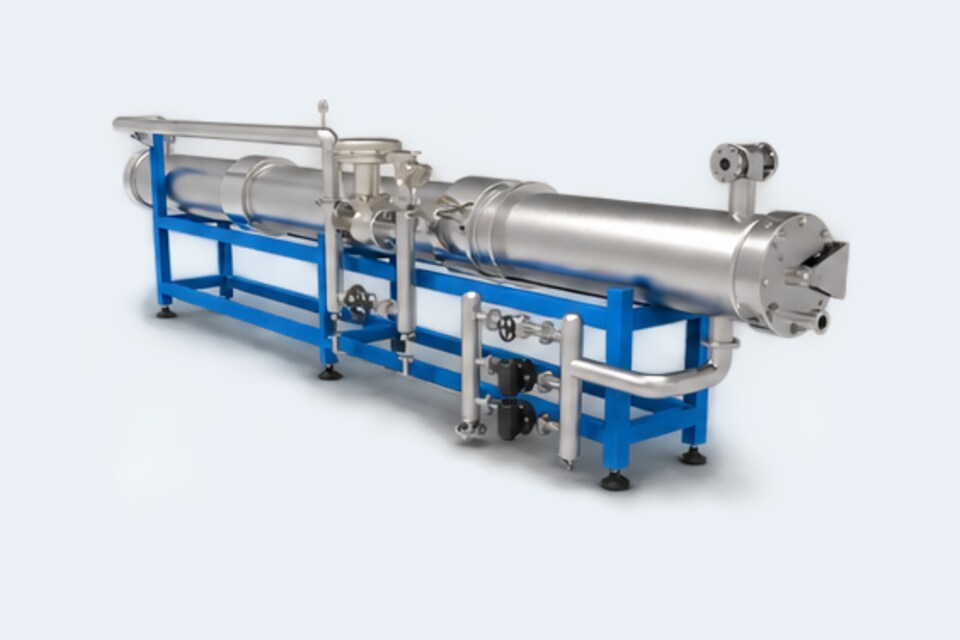
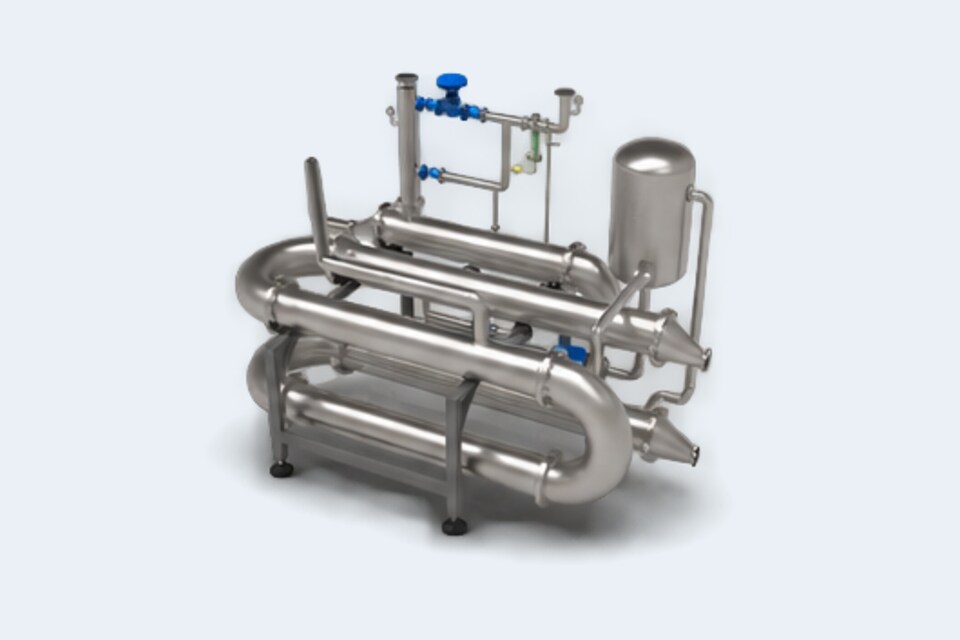
Tomato preheater

Sets the Hot Break or Cold Break temperature before refining.

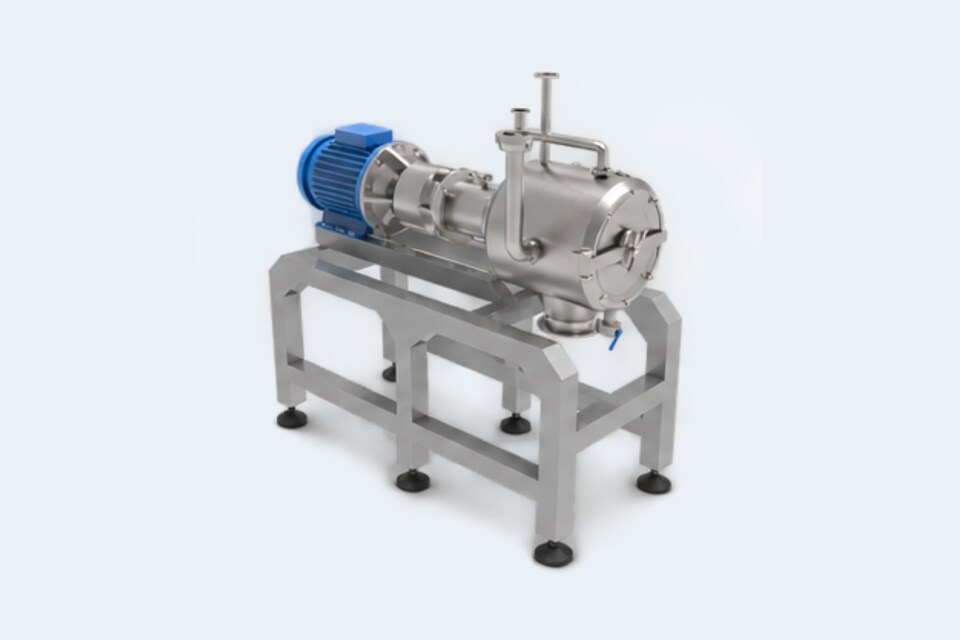
Tomato paste equipment — turbo pulper refiner

Tomato turbo pulper and refiner

Separates juice and pulp from skins, seeds and coarse solids.

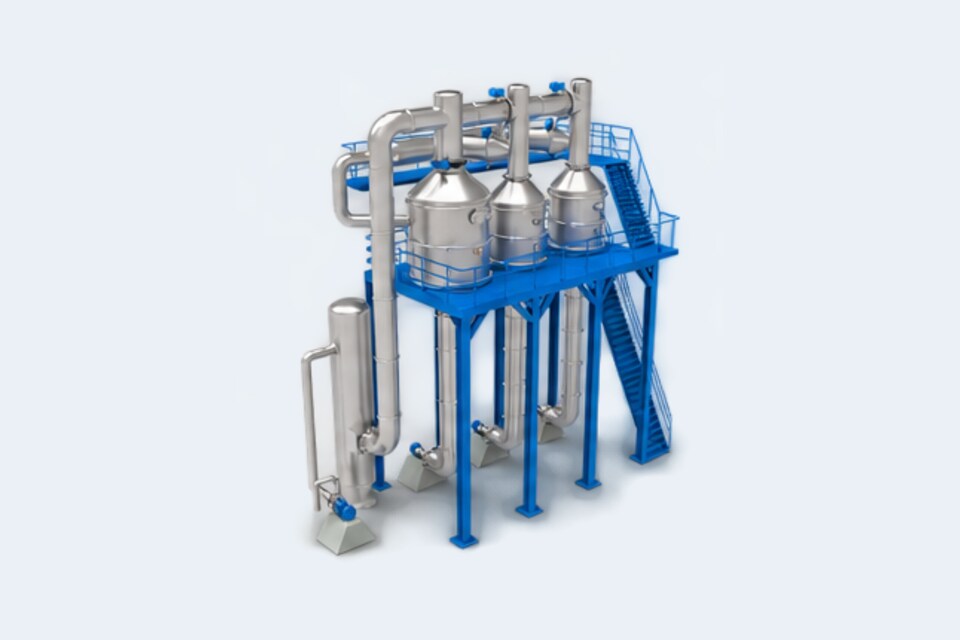
Tomato paste equipment — continuous evaporator

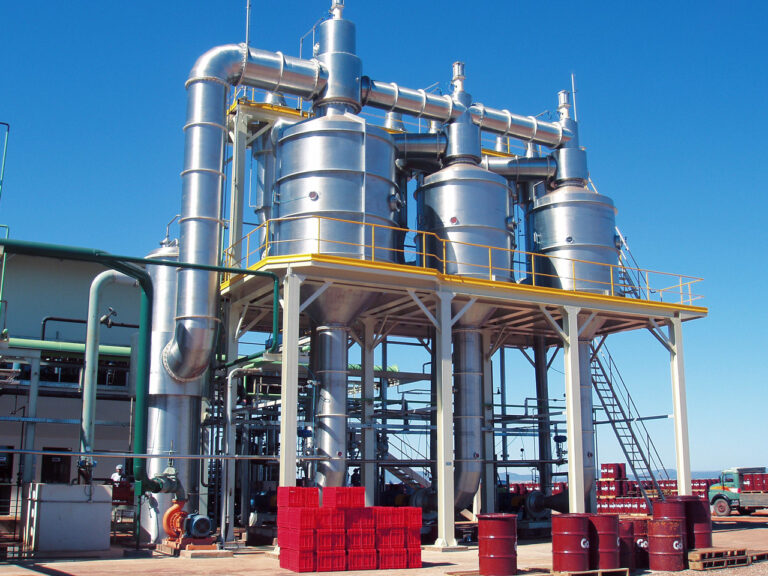
Continuous multiple-effect evaporator

Continuously concentrates tomato juice under vacuum to the target Brix.

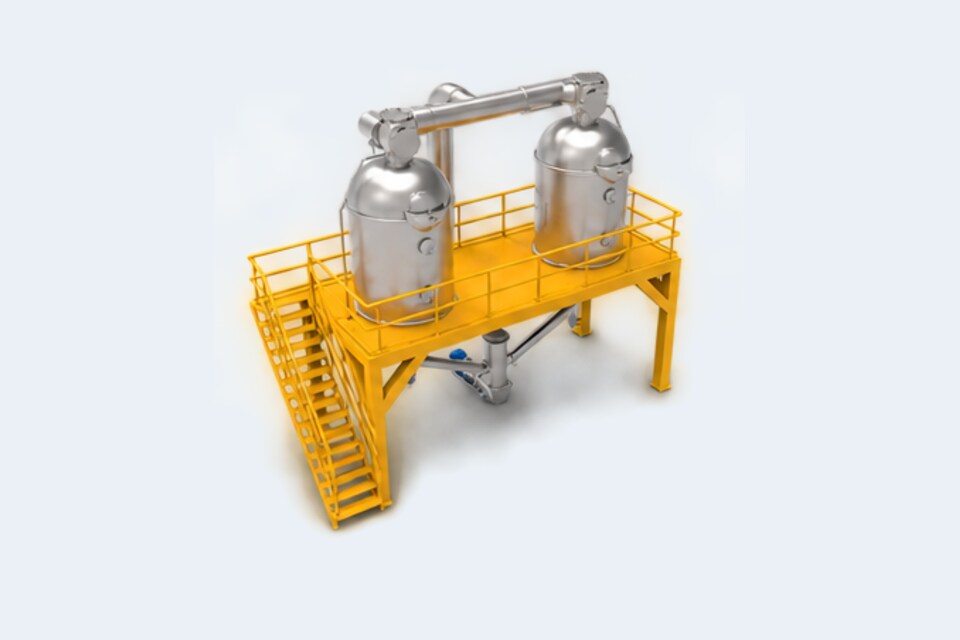
Batch vacuum evaporator

Concentrates a defined volume of juice per batch. It can also support selected packaging-line recipes.

Tomato paste pasteuriser

Thermally treats the paste before dosing and hot filling.

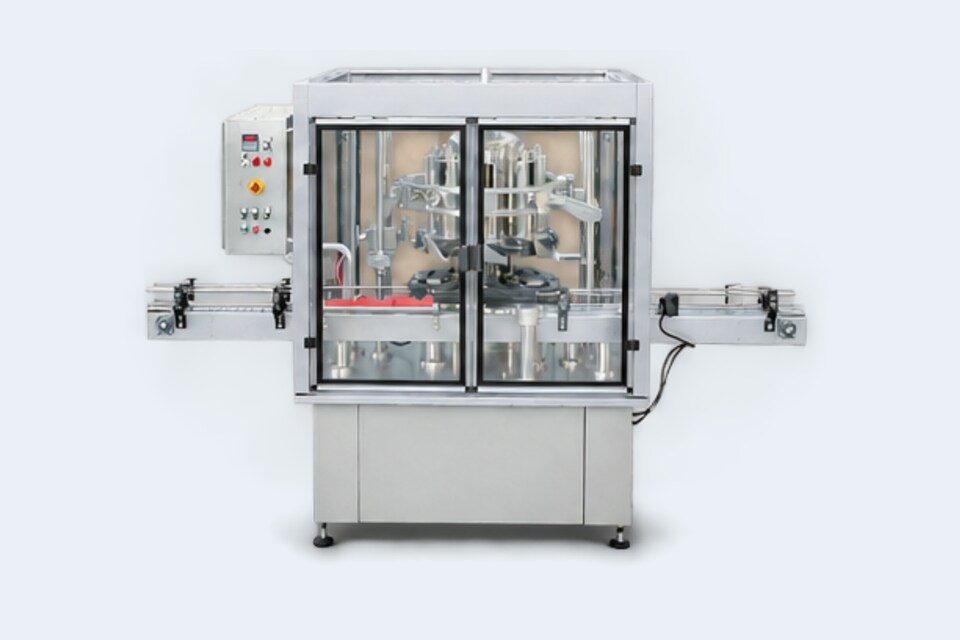
Eight-piston rotary filler

Doses viscous paste continuously into compatible cans, jars or PET.

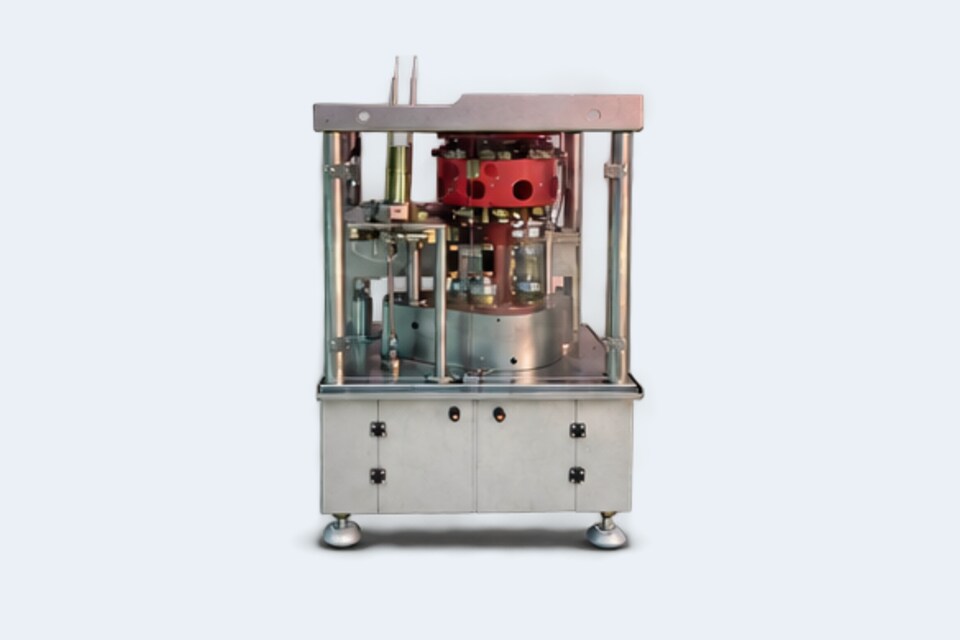
Four-head metal can seamer

Closes metal cans with a controlled double seam.

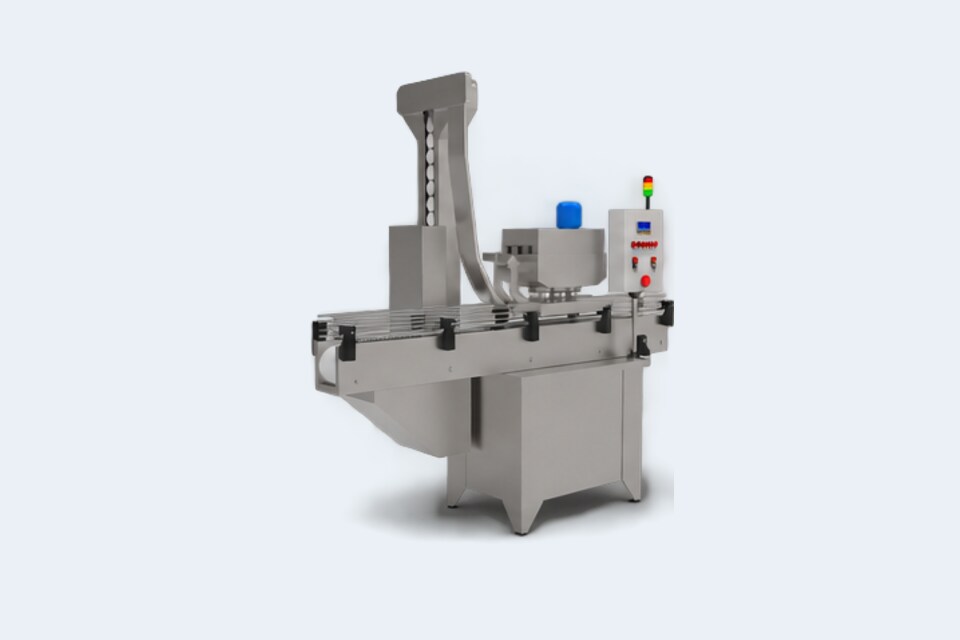
Automatic glass-jar capper

Applies a matched metal closure to glass jars at controlled torque.

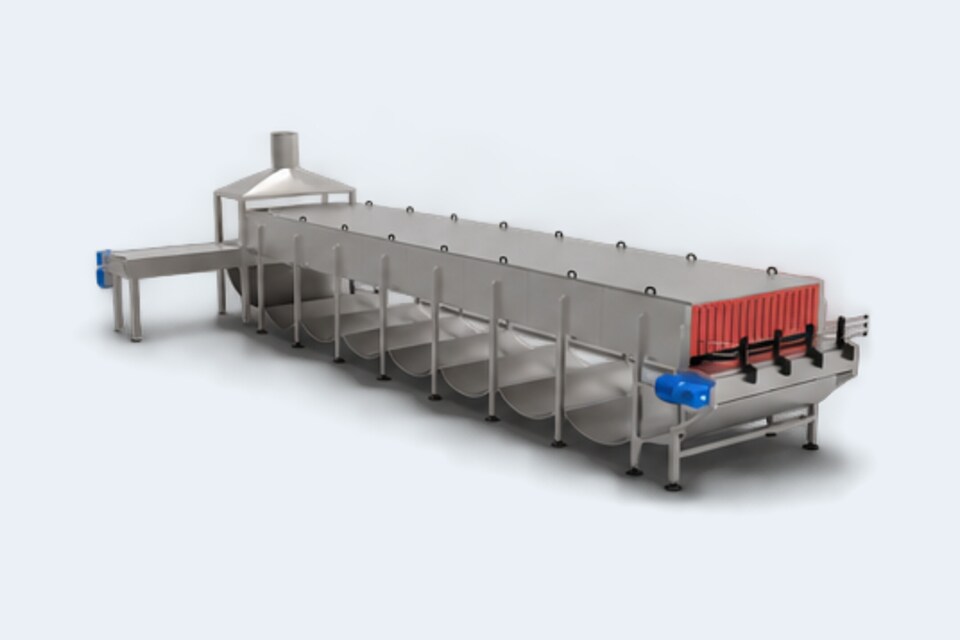
Spray pasteurising tunnel

Applies controlled post-closure treatment to compatible cans and jars.

Equipment configurations are selected for the feedstock, target Brix, input rate and pack format. See each machine page for the available configurations.

ENGINEERED FOR YOUR PROCESS

How Liniea builds your tomato paste machinery

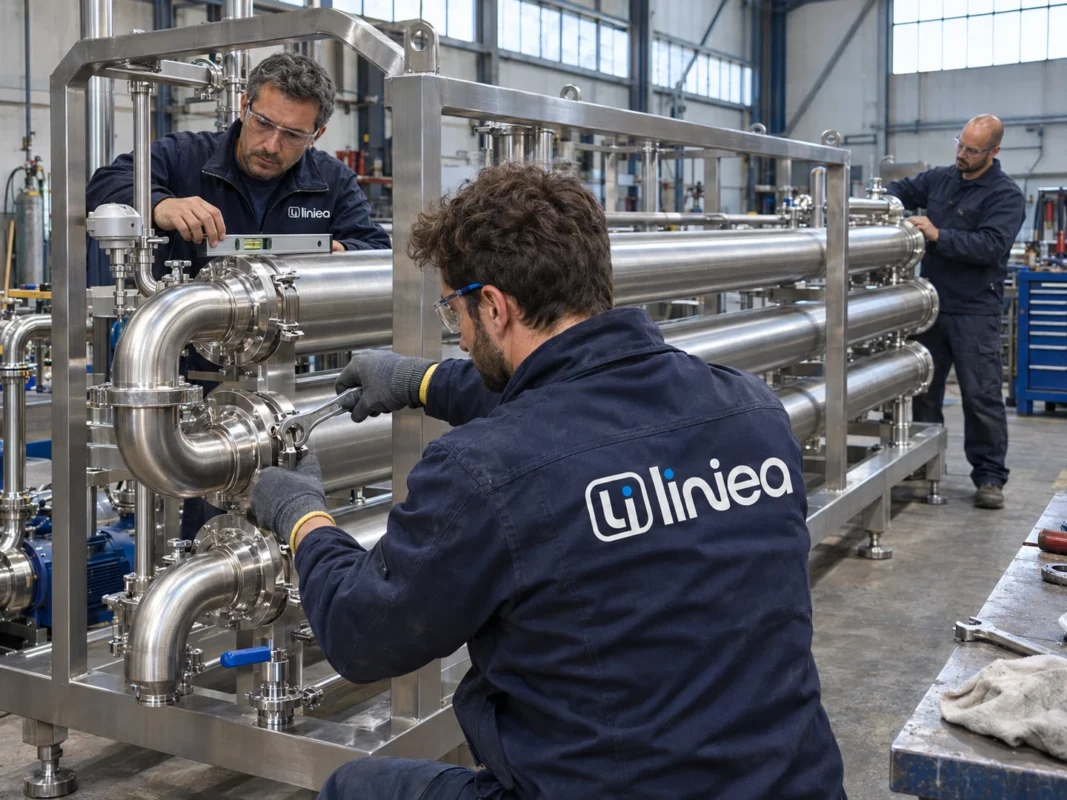
Liniea Industrial Group manufactures tomato paste production lines and canned-food production lines, providing the complete scope of machinery design and manufacture, implementation of the required infrastructure, installation and commissioning, trial production, training and production line performance optimisation.

Illustration of technicians in Liniea workwear assembling stainless-steel tomato paste machinery.

From process requirements to a coordinated equipment package.

01

Process specification

Define the fresh-tomato or bulk-paste input capacity, target Brix, pack format and level of automation.

02

Equipment engineering

Design the receiving, preparation, refining, concentration and packaging equipment as an integrated system.

03

Fabrication & assembly

Manufacture the machinery and coordinate ancillary equipment to suit the agreed production and packaging processes and factory infrastructure.

04

Trial production & optimisation

Run operational trials, train the production and packaging operators, and optimise line performance.

How Liniea helps set up your tomato paste factory

One coordinated route from site planning to commissioning.

Feasibility

Define the target production capacity, investment budget, packaging requirements and automation level.

Factory layout

Plan the production areas, material flow, storage, laboratories and staff facilities around the selected capacity.

Utilities

Provide for process and potable water, three-phase electricity, gas, steam, compressed air and utility piping.

Installation

Implement the required infrastructure and install the production line machinery.

Commissioning

Commission the line, carry out trial production, train the team and optimise line performance.

The project scope is tailored to your site, product and production requirements.

Tomato Paste line: your questions answered

What determines the cost of setting up a tomato paste production line?

The main parameters affecting the cost of setting up a tomato paste production line are production capacity—the quantity of tomatoes entering the line per day—the type of concentration system, whether continuous or batch, the level of automation, the packaging format, whether bulk or aseptic, and the quality of the materials used to manufacture the equipment.

Auxiliary equipment, such as the boiler, cooling tower, CIP system and quality-control laboratory, as well as energy-efficiency measures and the line’s potential for expansion, also determine the initial investment required.

The space required for a tomato paste factory is designed and calculated according to production capacity, the layout of processing machinery, material flow, hygiene requirements and the level of automation.

The required areas include the tomato unloading area, production hall, packaging hall, utility and boiler room, can or container storage, finished-product storage, quarantine storage, microbiological and chemical laboratories, wastewater treatment plant, and administrative and staff welfare facilities. The main infrastructure includes process and potable water, three-phase electricity, gas, steam, compressed air, and the installation of piping and utility systems.

Because concentration and packaging equipment can be shared, the line can package tomato paste in configurations matched to the concentration and dilution stages, and can produce products such as tomato sauce, different fruit concentrates and fruit purées.

By adding or adjusting formulation equipment and a homogeniser, and making the appropriate process adjustments, the factory can produce a varied product portfolio suited to market demand and its production capacity.

The level of automation depends on target capacity, the investment budget, the availability of skilled personnel and the factory’s operating policy.

In fully automatic lines, unloading, washing, receiving, concentration, transfer and packaging are integrated and controlled by a PLC, while personnel take a supervisory role. In semi-automatic lines, some material transfer or packaging operations are performed by operators. Fully automatic lines reduce human error, maintain consistent Brix, increase efficiency and save energy, making them suitable for high-capacity production.

The line is designed on a modular basis to allow expansion in capacity, packaging formats and automation, enabling the investor to grow gradually.

Capacity can be increased by upgrading the evaporator, adding evaporation effects, updating the control system or installing additional packaging machinery. This flexible structure supports lower-risk expansion in line with market growth.

Cost depends on input capacity, container format, number of filling stations, ancillary equipment and automation. Cans, glass jars, stand-up pouches, sachets and aseptic bags each require their own filling or closure configuration. Manual handling can range from a few staffed stations to a fully automated route. The project estimate reflects the target market, selected pack and plant engineering scope.

The source range is 1,400–3,200 m². The actual scope depends on capacity, equipment placement and automation, including the packing hall, raw material and finished-product storage, offices and staff facilities, quality-control laboratory and utilities. Allow for electricity, water and gas or diesel, and size steam, cooling and other services for the specified equipment.

A batch evaporator can be specified for products such as fruit syrups, jams and marmalades. With the relevant upstream preparation equipment and a compatible jar filler and capper, the module can also handle selected pasteurised non-meat products, including jam, pickled and brined vegetables, date syrup and other fruit syrups. Define the intended product list before machinery design.

The high-automation configuration can handle bulk bag or drum emptying, empty-container depalletising, filling and closing, post-closure treatment, date coding, transfer to cardboard trays, film wrapping, shrink-wrapping, palletising 12- or 24-unit packs, and pallet stretch-wrapping.

In a semi-automatic configuration dilution, pre-fill pasteurisation, filling, closing, post-closure treatment, date coding, sleeving and labelling can run automatically. Operators feed containers, collect finished packs, load cardboard trays, stack packs and carry out final stretch-wrapping.

A modular packaging layout allows speed and capacity upgrades through equipment changes, adjusted operating settings, extra machines or change parts. Automation can be extended with controls, automatic feed and collection, transfer conveyors, vision or other inspection, weight and presence sensors, and robotic handling where the plant layout allows.

€

How much does a tomato paste production and packaging line cost?

The package format and level of automation are part of each line estimate.

The main parameters affecting the cost of setting up a tomato paste production line are production capacity—the quantity of tomatoes entering the line per day—the type of concentration system, whether continuous or batch, the level of automation, the packaging format, whether bulk or aseptic, and the quality of the materials used to manufacture the equipment.

Auxiliary equipment, such as the boiler, cooling tower, CIP system and quality-control laboratory, as well as energy-efficiency measures and the line’s potential for expansion, also determine the initial investment required.

EquipmentInstallationUtilities
Discuss your project budget

Tomato Paste production and packaging insights

Packaging guides: factory space and infrastructure, choosing a filler for viscous tomato paste, and can and jar changeovers. The articles below cover line costs, multiproduct planning, automation, expansion, capacity selection, investment feasibility and profitability, investment risks, shelf life, quality standards and after-sales support.

Tomato Paste Production Line Cost: What to Budget For

Understand tomato paste production line costs, from process equipment and utilities to installation, working capital and comparable supplier quotations.

Read article
Tomato Paste Factory Layout, Space and Utilities

Plan a tomato paste factory layout around material flow, hygiene, maintenance access, storage, utilities and future expansion—not machine footprints alone.

Read article
What Else Can a Tomato Paste Production Line Make?

Explore which tomato products may share processing equipment, and what changes sauces, juice, purée and other products require before production.

Read article
Semi-Automatic vs Fully Automatic Tomato Paste Lines

Compare semi-automatic and fully automatic tomato paste lines by process control, staffing, traceability, maintenance and realistic upgrade priorities.

Read article
How to Expand Tomato Paste Production Capacity

Plan tomato paste capacity expansion by measuring bottlenecks, checking utilities and packaging, and coordinating equipment and automation upgrades.

Read article
Choosing Tomato Paste Production Line Capacity

Choose tomato paste line capacity using seasonal tomato supply, effective operating hours, concentration targets, packaging demand and a clear mass balance.

Read article
Is a Tomato Paste Factory Economically Viable?

Build a tomato paste factory feasibility study around market demand, raw-material supply, operating costs, cash flow and downside scenarios.

Read article
What Determines Tomato Paste Production Profitability?

Understand tomato paste production profitability through saleable yield, utilisation, product mix, operating costs and disciplined performance measurement.

Read article
Tomato Paste Investment Risks and How to Assess Them

Identify tomato paste investment risks in supply, sales, utilities, project delivery and cash flow, with practical evidence and mitigation checkpoints.

Read article
Tomato Paste Shelf Life: Process, Packaging and Storage

Learn how raw-material quality, validated processing, package integrity and storage studies determine the shelf life of commercial tomato paste.

Read article
Export-Grade Tomato Paste: Quality and Buyer Requirements

Prepare tomato paste for export with a buyer specification, appropriate testing, traceability, packaging documentation and destination-market checks.

Read article
After-Sales Service for Tomato Paste Production Lines

Plan after-sales service for a tomato paste line with critical spares, preventive maintenance, operator training, documentation and clear support terms.

Read article

READY TO START YOUR PRODUCTION PROJECT?

Discuss your product, capacity and factory requirements with Liniea.