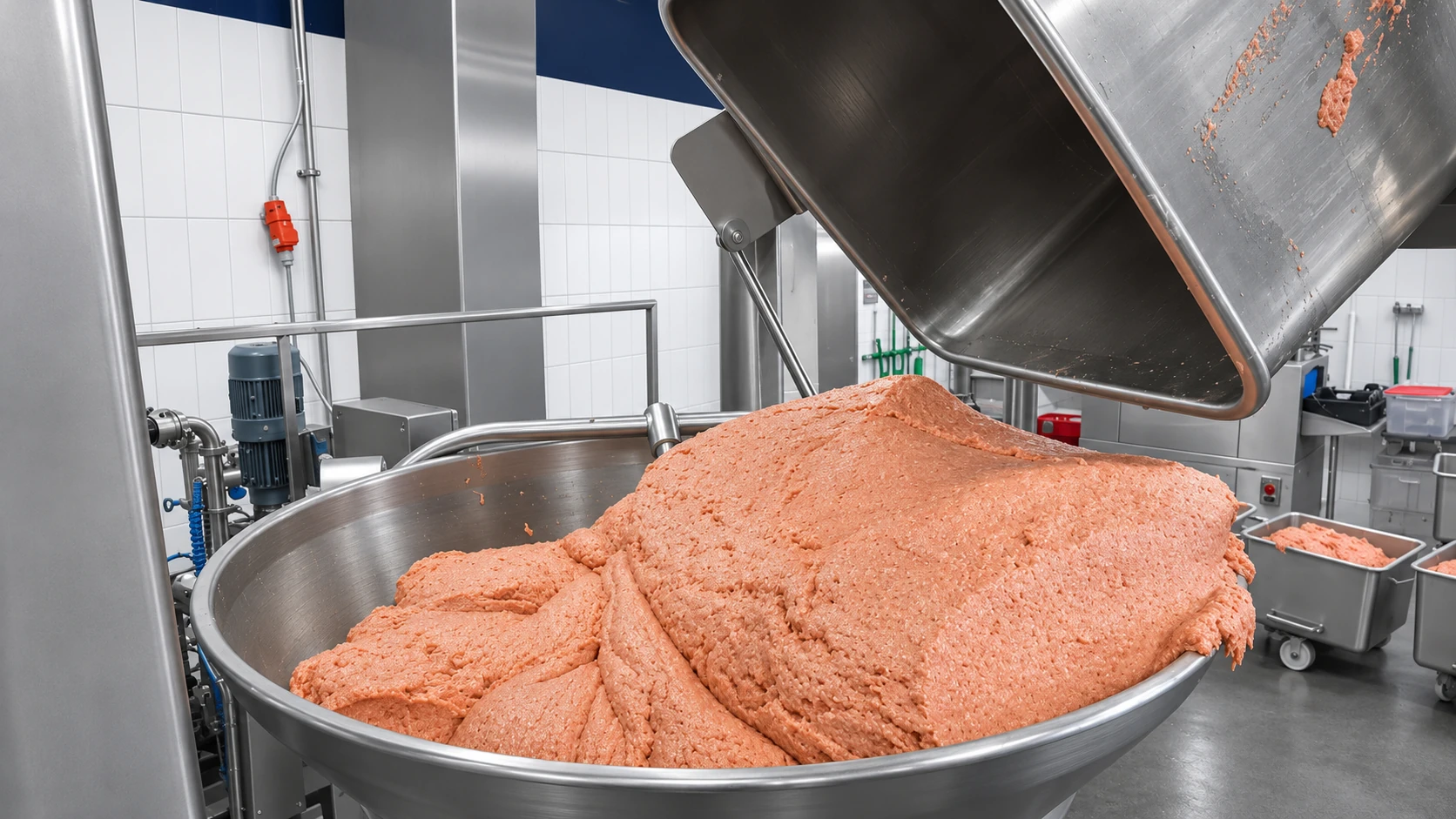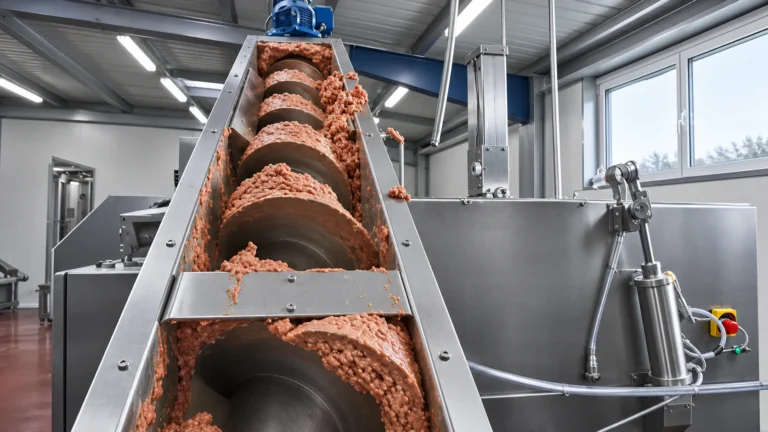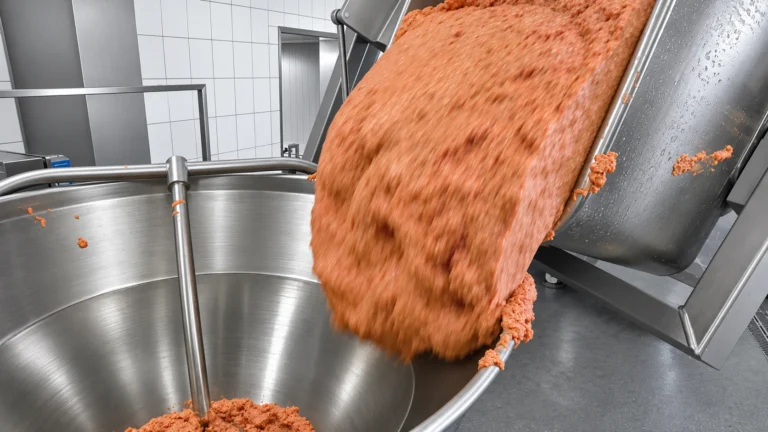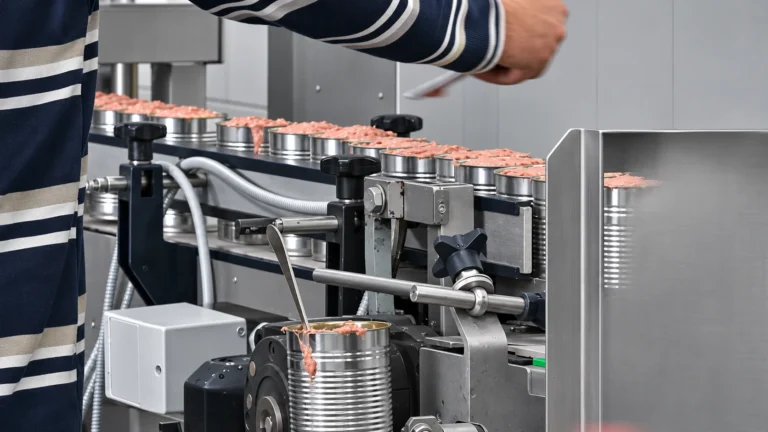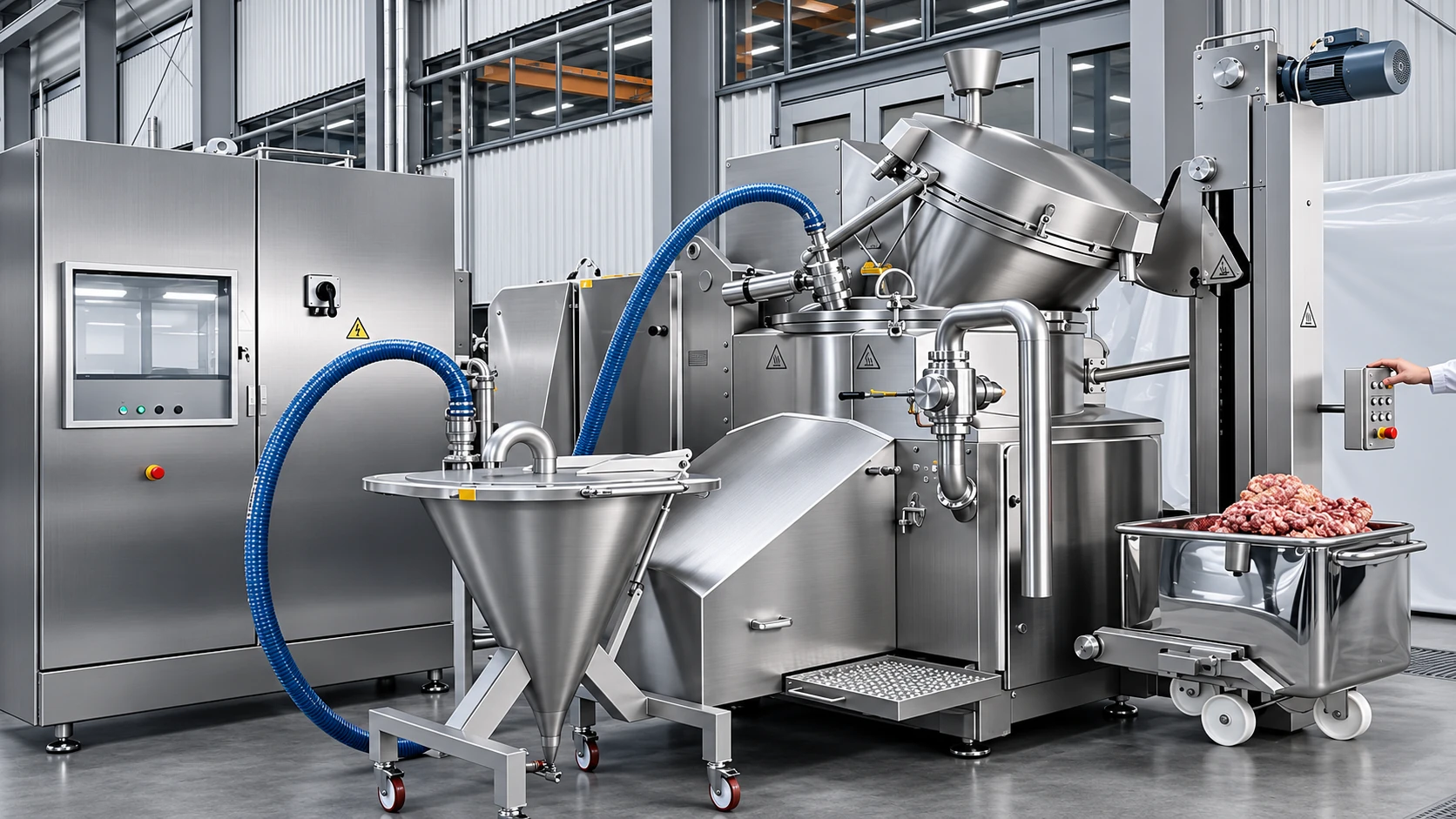
Industrial wet pet food preparation and mixing equipment

Home › Production Lines › Canned Pet Food Production Line

CANNED PET FOODPRODUCTION LINE

Integrated processing, cooking, filling and sterilisation for wet dog and cat food. Configured for 5,000–20,000 cans of 400 g per day.

Configure your line Request an estimate

HIGH PERFORMANCE

RELIABLE DESIGN

PROCESS CONTROL

EASY TO MAINTAIN

COMPLETE CANNED PET FOOD PRODUCTION PROCESS

1

Ingredient receiving

2

Cutting

3

Grinding

4

Mixing & formulation

5

Cooking

6

Product filling

7

Can seaming

8

Retort & cooling

9

Labeling & packing

Wet Pet Food Canning Plant

Designed and manufactured by Liniea Industrial Group

The canned pet food production line manufactured by Liniea Industrial Group is an integrated industrial system for processing, cooking, sterilising and packaging wet food for dogs and cats. It is designed around the target capacity, product formulation and required level of automation. The design takes food-industry hygiene requirements and relevant animal-nutrition standards into account, with configurations for different recipes of pâté, chunks, pouch-packed products, natural-style foods and cat ice cream treats.

The machinery includes industrial cutting and grinding, a vacuum mixer, a cooker or precooking system, a volumetric or piston filler for viscous products, a can seamer, a sterilising retort, drying and cooling systems, a labeller and final-packaging equipment. An optimised arrangement supports precise moisture control, uniform texture, preservation of nutritional value and reduced production waste.

The modular line allows the manufacturer to increase capacity and product variety in stages as the pet food market grows, while maintaining industrial-scale quality, safety and consistency of the finished product.

Pouches and frozen treat formats use their own processing and packaging equipment. The can seamer is used for metal cans.

  • Equipment selected for your product and packaging.
  • Process flow coordinated with factory space and utilities.
  • Final capacity and technical scope confirmed per project.
Request line catalogue

TECHNICAL SPECIFICATIONS

Available capacity5,000–20,000 cans of 400 g per day
Factory infrastructure requirementsElectricity, water, and gas or diesel fuel
Required workforce3–8 people, depending on automation
Production line space requirement400–1,000 m²
National standards specified for the line1881, 4854
Equipment warranty18 months
After-sales service10 years
Get a custom solution

KEY FEATURES

  • Integrated cutting, grinding and vacuum mixing
  • Cooking or precooking matched to formulation and texture
  • Volumetric or piston filling for viscous products
  • Coordinated can seaming and PLC-controlled retort treatment
  • Moisture, texture, nutritional-value and waste control
  • Drying, cooling, labelling and final packaging
  • Modular capacity, product diversity and automation upgrades

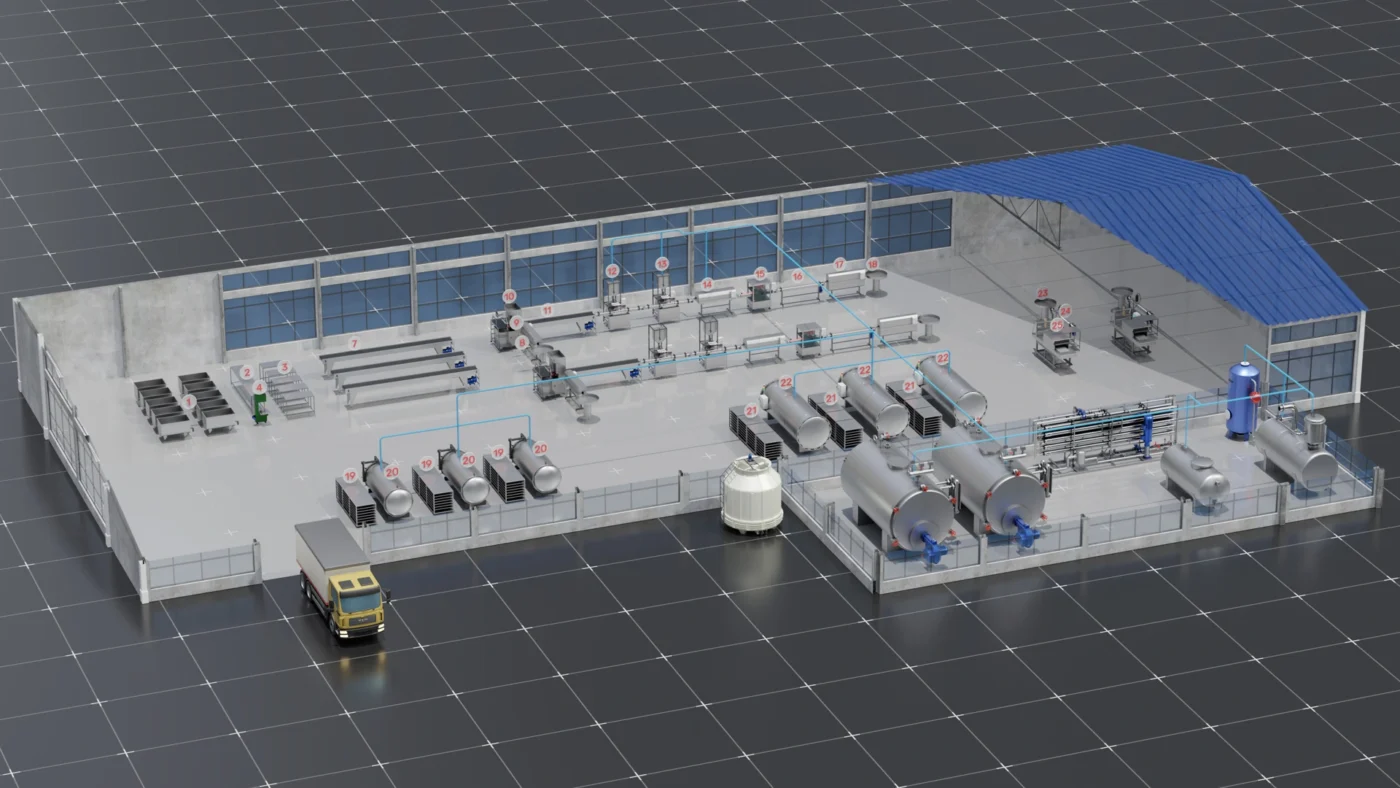
Layout design

Wet pet food production line machinery

  1. Blender
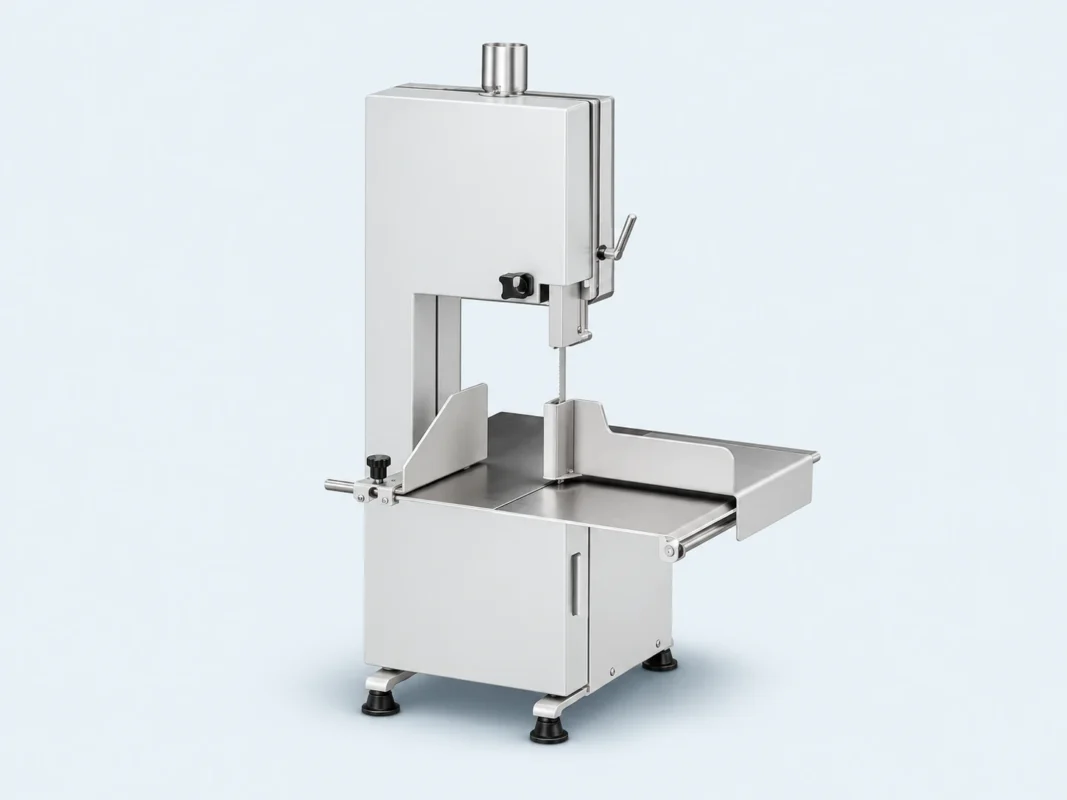
  2. Meat bandsaw
  3. Pressure cooking vessel
  4. Atmospheric cooking kettle
  5. Two-piston linear filler
  6. 18-nozzle rotary filler
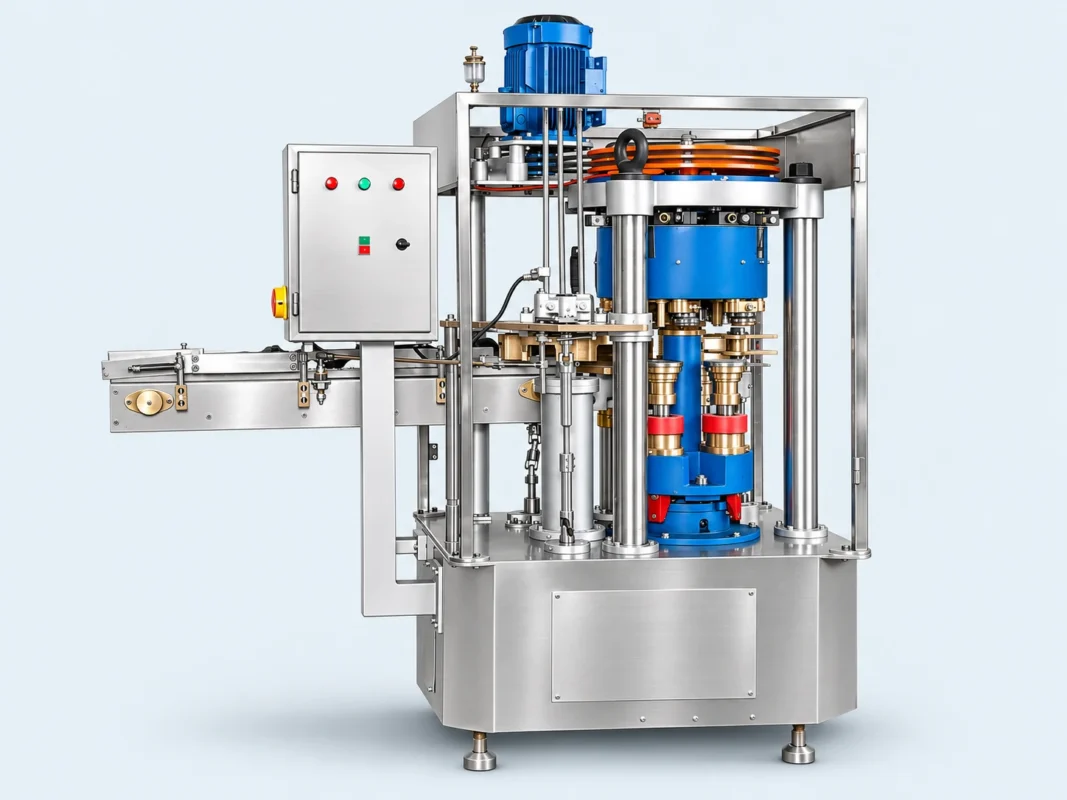
  7. Metal can seamer
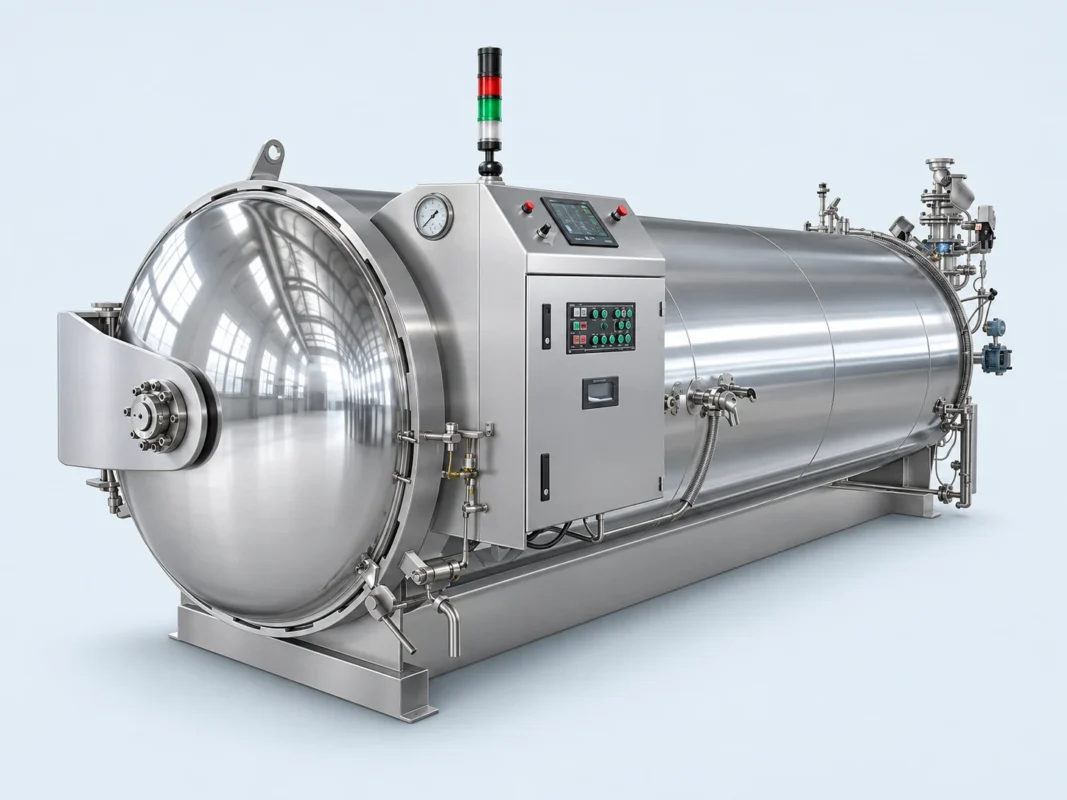
  8. Retort autoclave
  9. Labeller
Wet pet food production line equipment layout

Wet pet food production line layout supplied with the project materials.

Layout design

Wet pet food production line machinery

Wet pet food production line equipment layout

Wet pet food production line layout supplied with the project materials.

  1. Blender
  2. Meat bandsaw
  3. Pressure cooking vessel
  4. Atmospheric cooking kettle
  5. Two-piston linear filler
  1. 18-nozzle rotary filler
  2. Metal can seamer
  3. Retort autoclave
  4. Labeller

MAIN MACHINES INCLUDED

Pressure steam cooking vessel

Pressure Steam Cooker

Precooking meat, poultry and fish to facilitate bone removal and prepare the flesh for further processing.

This thermal unit precooks meat using steam to facilitate tissue separation and efficient deboning. Precise control of the temperature profile and cooking time helps preserve the structural integrity of the raw-material proteins.

GM2103

Atmospheric Cooking & Mixing Kettle

Cooking and mixing solid and liquid formulations and recipes.

This open atmospheric cooking and mixing kettle has a steam jacket and an agitator. Heat passes through the jacket into the product, while agitation promotes uniform cooking and homogeneous mixing of additives.

GM3238 · 1 tonne/hour

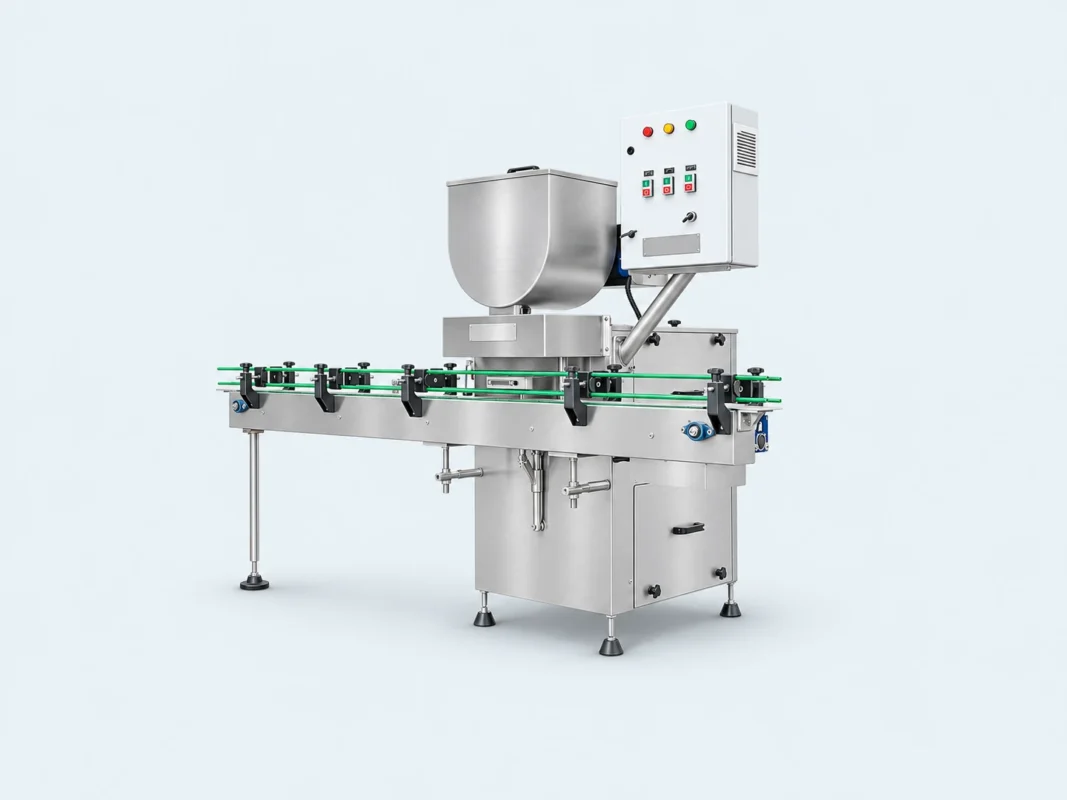
Two-piston linear filling machine

Two-Piston Linear Filler

Volumetric filling of thick and semi-thick products.

The filler is designed for accurate filling of thick and semi-thick products such as sauces, tomato paste, prepared foods and meat products. Its two-piston system provides simultaneous, uniform dosing and accurate control of the weight or volume in each container. The linear arrangement allows adjustment for different container sizes and rapid cleaning for hygienic processing.

FM3103 · 50–60 containers/minute

18-Nozzle Rotary Volumetric Filler

Volumetric filling of products containing pieces.

The rotary filler distributes cut or piece-containing products evenly into different containers. Its rotating design supports higher speed, filling accuracy and coordination with a continuous production flow.

FM3107 · 100–120 containers/minute

The line layout uses an 18-nozzle rotary filler.

Four-head metal can seamer

Four-Head Metal Can Seamer

Automatically sealing metal cans.

The four-head metal can seamer performs final sealing after filling. A uniform, controlled double seam supports microbial protection and finished-product shelf life. Its four-head rotary design provides stable operation and coordination with industrial packaging lines.

CMS4102 · 100–160 cans/minute

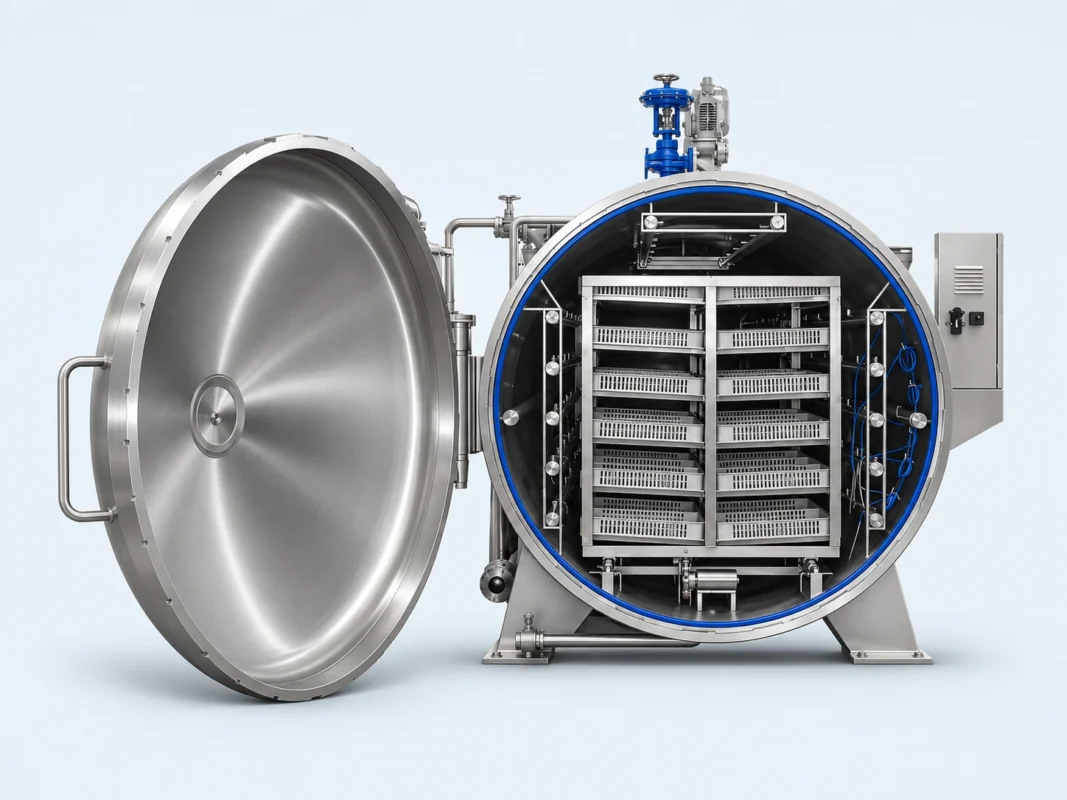
Automatic retort autoclave

Automatic Retort Autoclave

Final cooking and sterilisation of the packaged product.

The automatic retort performs sterilisation and final cooking of products packed in metal cans using controlled pressure and temperature. This process supports microbial safety and increases shelf life. PLC controllers manage the entire process.

GM2104

Meat and fish bandsaw

Meat & Fish Bandsaw

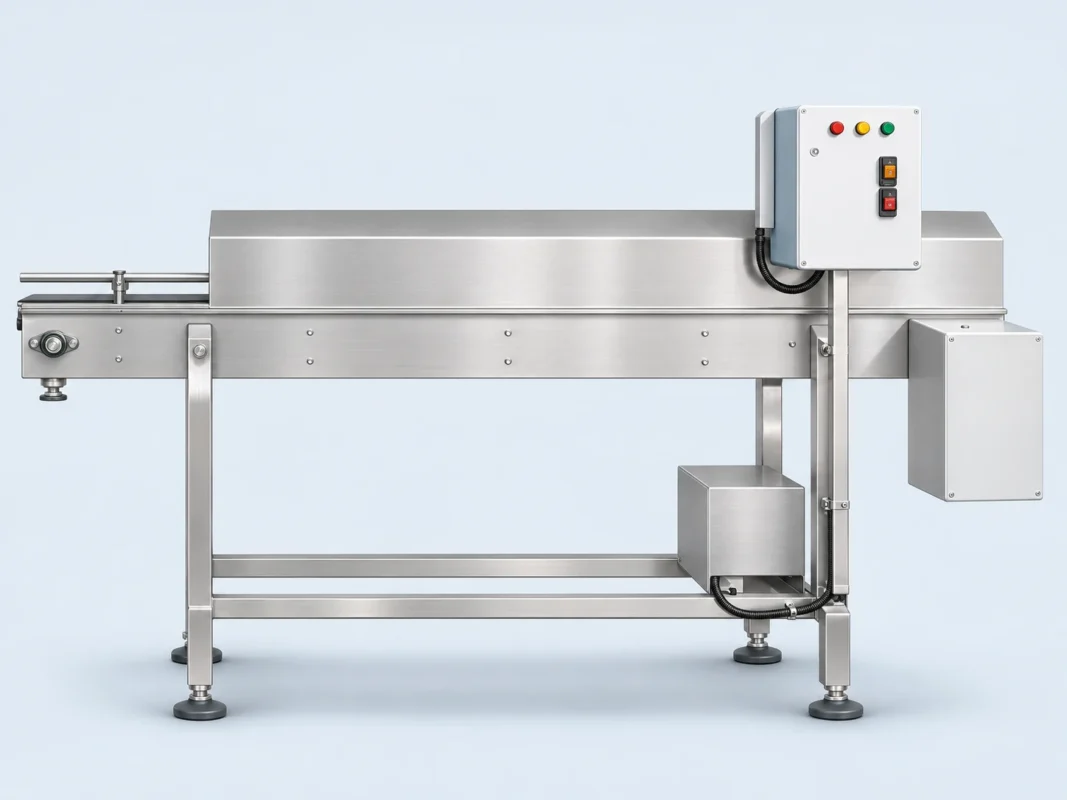
Can exhaust tunnel

Can Exhaust Tunnel

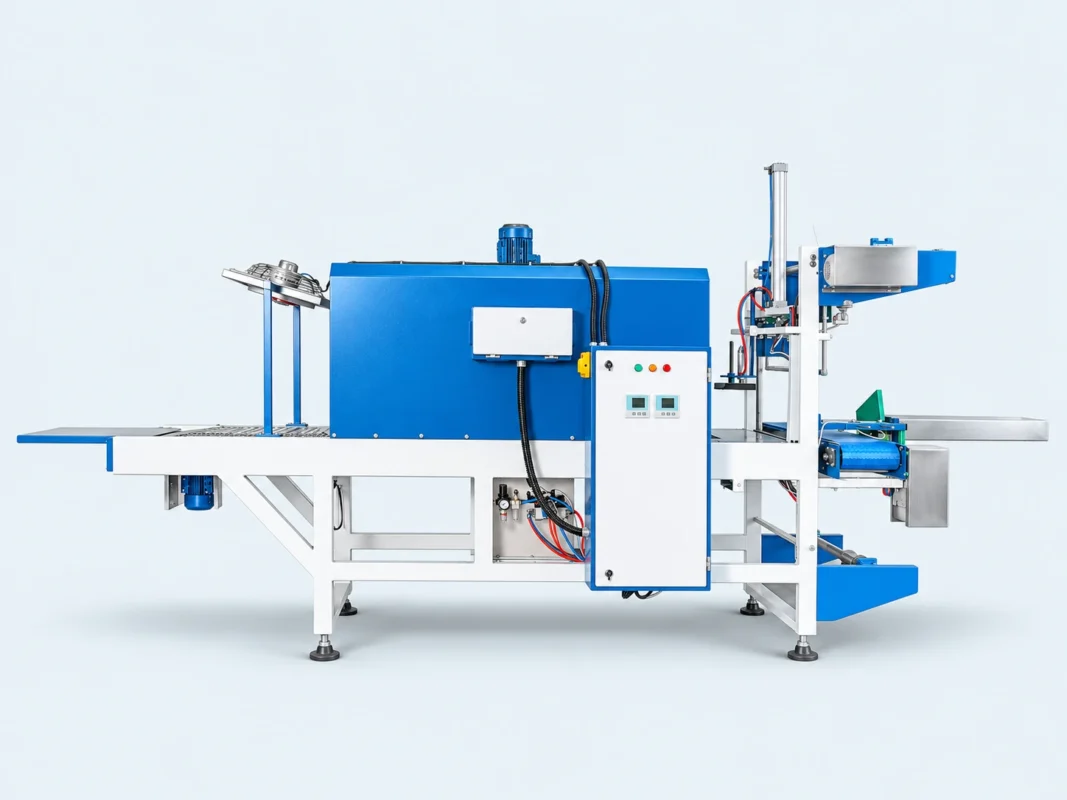
Shrink wrapping machine

Shrink Wrapping Machine

Wraps grouped containers in shrink film.

Six main machines are specified in the supplied text. Three additional machines follow the supplied image folders; these photo-only items are not linked to detail pages.

Explore Liniea projects

View projects

ENGINEERED FOR YOUR PROCESS

How Liniea builds your wet pet food machinery

Liniea Industrial Group manufactures canned pet food and other canned-food production lines. Its services include line design and manufacture, installation and commissioning, operator training and line-performance optimisation tailored to each production facility.

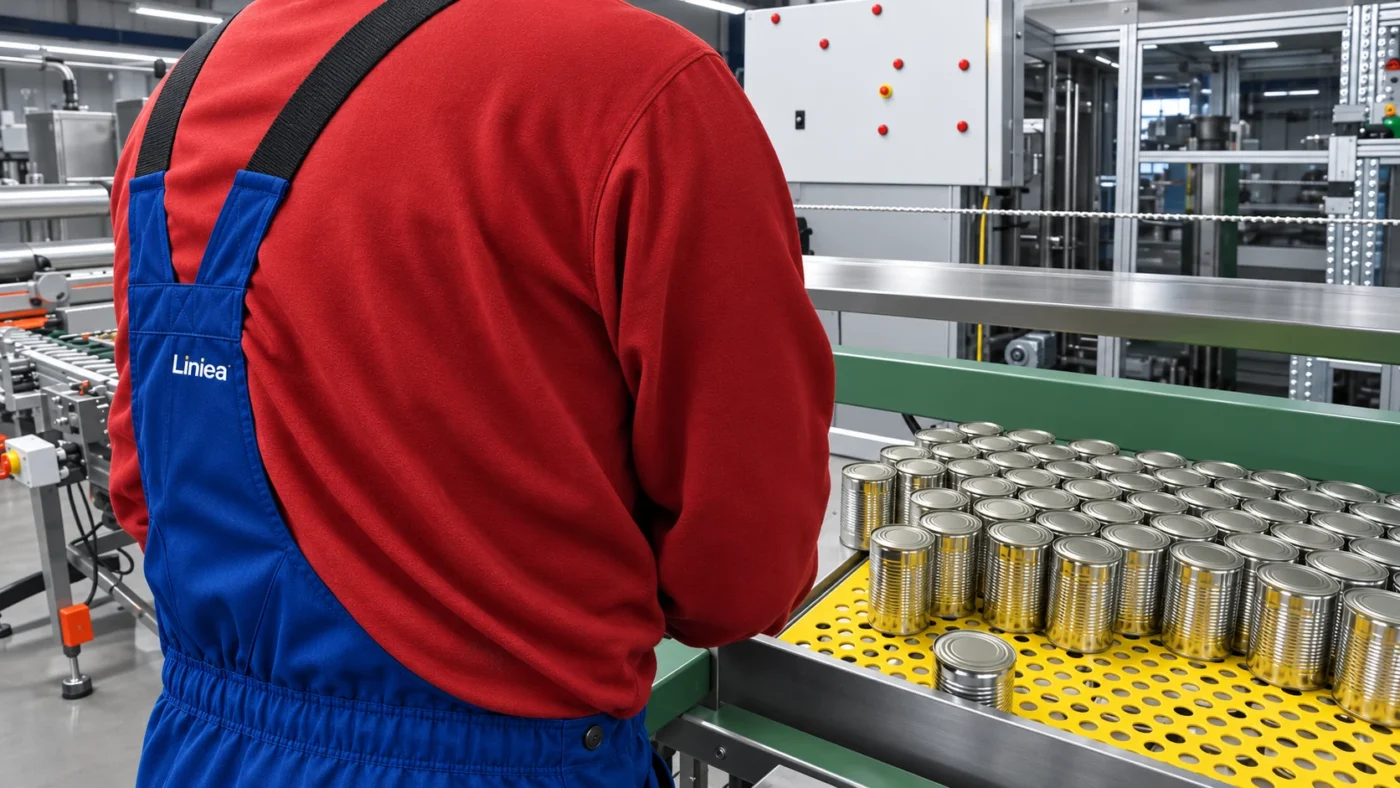
Operator handling pet food cans after thermal processing

From process requirements to a coordinated equipment package.

01

Process specification

Define the target capacity, product range, packaging format and level of automation, including ingredient preparation, formulation, moisture, product texture, fill weight and the thermal-processing requirements.

02

Equipment engineering

Coordinate cutting, grinding, vacuum mixing, cooking, viscous-product filling, can seaming, sterilisation, drying, cooling, labelling and final packing as an integrated system.

03

Fabrication & assembly

Manufacture the machinery to suit the agreed production process and factory infrastructure.

04

Trial production & optimisation

Support trial production and optimise the performance of the complete production line.

How Liniea helps set up your wet pet food factory

One coordinated route from site planning to commissioning.

Feasibility

Define daily output, the product portfolio, investment budget, packaging and automation level.

Factory layout

Plan raw-material cold storage, cutting and mixing, filling and seaming, the retort room, finished-product storage and a quality-control laboratory. Separate raw and cooked zones with one-way material flow.

Utilities

Plan stable industrial electricity, pressure-controlled steam, compressed air, hygienic water and wastewater management according to the equipment and site conditions.

Installation

Coordinate installation and commissioning of the production line and its auxiliary equipment.

Commissioning

Carry out operational tests, train operators and optimise the performance of the complete line.

The project scope is tailored to your site, product and production requirements.

Wet pet food line: your questions answered

What determines the cost of setting up a canned pet food production line?

Investment depends directly on daily production capacity and the required hourly can output, product texture—pâté, chunks in sauce or jelly—and formulation complexity. Selection of cutting equipment and vacuum mixing, the filler for viscous meat products and the capacity of the sterilising retort are major cost factors.

Hygiene requirements, stainless-steel material quality and temperature- and pressure-control systems also influence the final estimate. A design meeting more demanding food-safety and export-market requirements may need a higher initial investment while offering a stronger competitive position.

Factory dimensions depend on capacity and the thermal-processing arrangement. Meat preparation, mixing, precooking and sterilisation require careful hygienic separation. Main areas include raw-material cold storage, a cutting and mixing hall, filling and seaming, a retort room, finished-product storage and a quality-control laboratory.

Infrastructure includes stable industrial electricity, steam generation with controlled pressure, compressed air, hygienic water and wastewater management. In professional lines, one-way material flow and separation of raw and cooked areas are important for veterinary authorisation and hygienic operation.

In addition to wet dog and cat food, the line can be configured for jelly-based foods, chunks in sauce, meat supplements and some veterinary diet products. Formulation and texture changes can support products for particular breeds or life stages. Veterinary diet and nutritional claims require suitable specialist formulation and any applicable authorisation.

Limited equipment expansion may also support entry into semi-moist food production, subject to process and packaging review. This product diversity provides flexibility in responding to growth in the pet food market.

In a semi-automatic system, operators carry out some tasks such as feeding ingredients to the mixer, transferring product to the filler or final packing, with a lower initial investment.

In a fully automatic system, mixing, filling, seaming and transfer to the retort are integrated and programmable. Critical parameters such as product core temperature and sterilisation time are recorded. This supports uniform texture, consistent microbial-safety control and a lower risk of cross-contamination. At industrial and export-oriented capacities, this configuration can provide higher efficiency and stronger quality control.

With modular design, capacity can be increased by adding parallel mixers, upgrading the filler or installing additional retorts. Controls can be upgraded to digital monitoring, thermal-data recording and connection to manufacturing execution systems (MES).

High-speed packaging lines or new packaging formats can be added at later stages. When properly planned, this expandable structure allows production to grow with the pet food market without a major shutdown or complete redesign.

€

How much does a wet pet food production line cost?

Daily capacity, texture, formulation, cutting and vacuum mixing, viscous-product filling, retort capacity, hygiene design, steel quality and temperature/pressure control determine the investment.

Liniea focuses on equipment selection that suits the project and allows future expansion; a project-specific quotation follows engineering review.

EquipmentInstallationUtilities
Discuss your project budget

Wet pet food production insights

Canned Pet Food Production Line Cost: What Shapes the Budget?

Plan wet pet food investment around capacity, texture, formulation, filling, retort processing and factory infrastructure.

Read article
What Else Can a Wet Pet Food Line Produce?

Explore pâté, chunks, jelly-based foods and other recipes through product-specific formulation, processing and packaging review.

Read article
Choosing Capacity for a Canned Dog and Cat Food Line

Balance recipe preparation, filling, can seaming and retort handling around the required saleable output.

Read article
Explore all 12 planning guides

READY TO START YOUR PRODUCTION PROJECT?

Discuss your product, capacity and factory requirements with Liniea.