


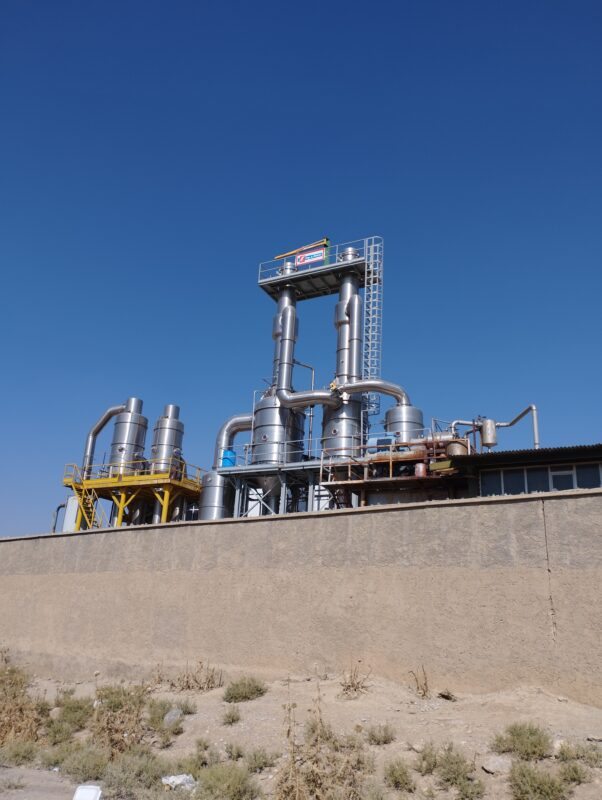
A tomato paste factory is economically viable only when a credible market, reliable raw-material supply and a workable operating model support the investment together. Equipment availability does not prove demand, and an attractive selling price does not prove that a factory can supply the required quality at a sustainable cost.
A feasibility study should answer a decision: proceed, redesign, stage the investment or stop. It should clearly distinguish verified information, supplier estimates and assumptions still awaiting evidence. This article provides a study structure rather than a prediction of returns.
Establish the product and customer before the machinery
Define the intended customer group: industrial ingredient buyers, food-service distributors or retail channels. Specify product concentration, packaging, quality requirements and expected order pattern. Obtain evidence of demand through buyer discussions, sample evaluation and realistic sales terms.
Include the cost of reaching that customer. Freight, storage, distribution, credit periods and product qualification can affect the result. A market price observed elsewhere is not automatically the price your factory will receive after these costs and conditions.
Verify raw-material supply and the processing campaign
Build a weekly supply plan with growers or aggregators. Identify harvest timing, delivery distance, incoming quality expectations and pricing arrangements. Assess whether the proposed factory can receive and process that supply within the available campaign.
Document the evidence behind yield and operating-time assumptions. Use representative measurements and engineering calculations rather than copying a conversion ratio from an unrelated project. If a critical input remains uncertain, model a range and identify how it will be verified before the investment decision.
Build separate operating and cash-flow models
The operating model should estimate saleable output, revenue, variable costs and fixed costs. The cash-flow model adds investment payments, working capital, financing, tax and the timing of receipts. These models answer different questions: an operation can show accounting profit while lacking cash during the harvest campaign.
The FAO agribusiness handbook offers a framework separating selling price, variable cost, fixed cost and volume. Use those categories with current local data. Its historical examples should not be treated as present-day quotations or forecasts.
Test the assumptions that could change the decision
- Lower realised selling prices or slower customer qualification.
- Higher tomato prices or reduced seasonal availability.
- Lower saleable yield or fewer effective operating hours.
- Utility interruptions, commissioning delays or unexpected site work.
- Longer inventory holding and customer payment periods.
- Exchange-rate changes where purchases and sales use different currencies.
Change the important assumptions individually and in a combined downside scenario. Report the impact on funding needs and the investment decision, not just on a headline profit figure. A project should have an explicit plan for an unfavourable first campaign.
Define practical decision gates
A useful sequence is market confirmation, raw-material assessment, process and site design, quotations, financing review and final approval. Assign an owner and required evidence to each gate. This prevents an equipment order from becoming a substitute for unresolved commercial work.
Ask the project team to explain why the proposed scale is appropriate and what would trigger a smaller first phase. Independent review of the model can reveal optimistic assumptions that are difficult to see from inside the project.
Does a positive feasibility study guarantee success?
No. It supports a decision using stated assumptions and evidence. Results must be updated when market, supply or project conditions change.
What is the first information to collect?
Start with the intended product and buyer requirements, then confirm raw-material availability. These inputs shape the technical scope and the financial model.
Plan your tomato processing project
Explore the Liniea tomato paste production line for the process stages and equipment overview. Share your raw-material supply, product specification, packaging format and site constraints when requesting a project-specific proposal.
