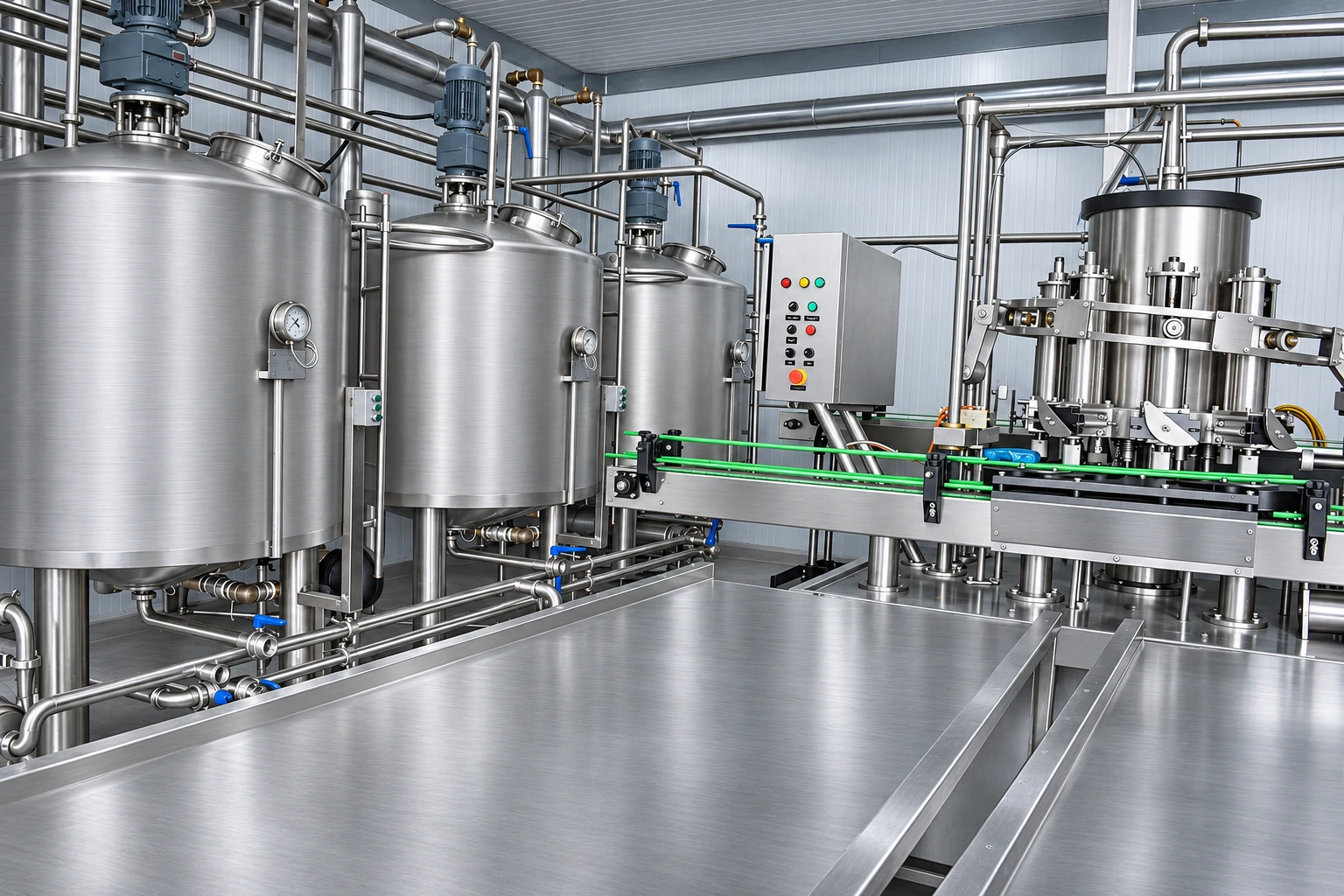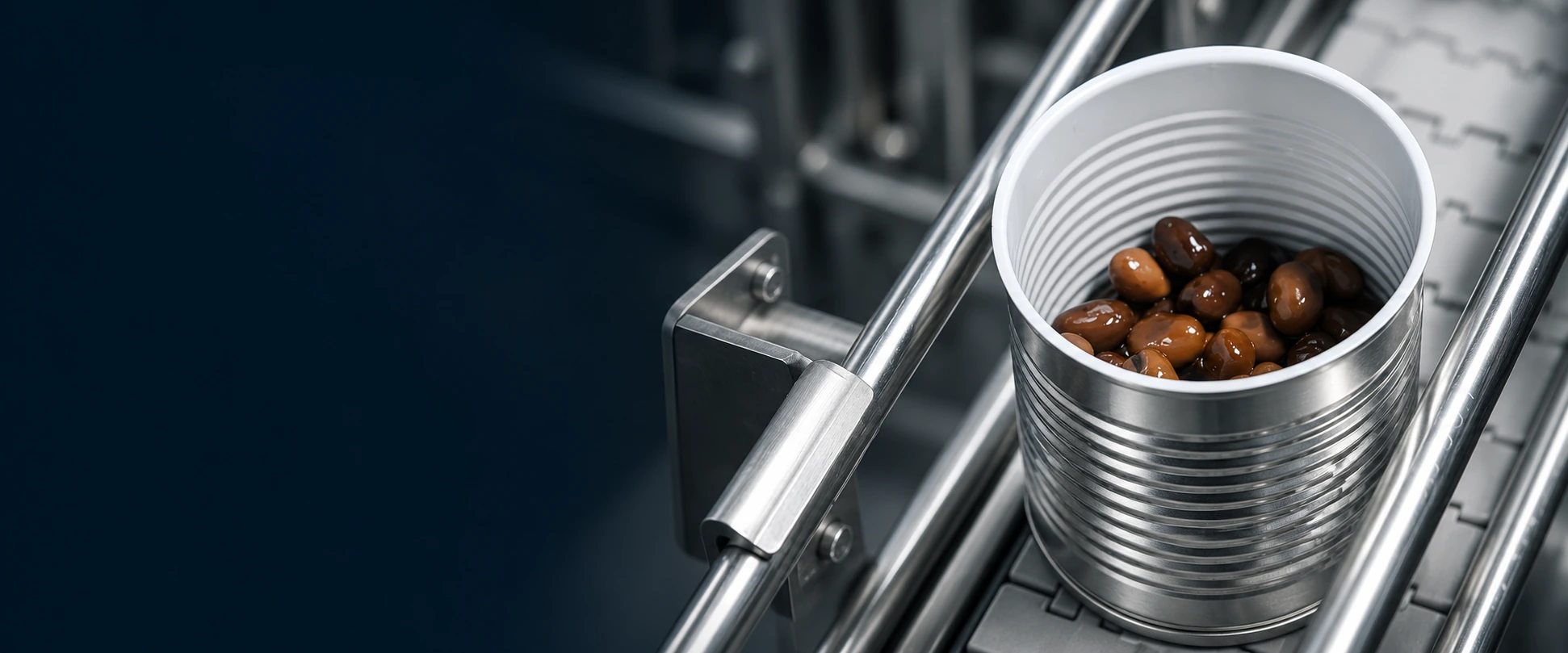
Open can of beans on a stainless steel canning conveyor

Home › Production Lines › Canned Beans & Legumes Production Line

CANNED BEANS & LEGUMESPRODUCTION LINE

Produce canned beans and legumes with an integrated line for preparation, soaking, precooking, filling, can seaming and retort sterilisation.

Configure your line Request an estimate

HIGH PERFORMANCE

RELIABLE DESIGN

PROCESS CONTROL

EASY TO MAINTAIN

COMPLETE CANNED BEANS PRODUCTION PROCESS

1

Receiving & cleaning

2

Washing & grit removal

3

Soaking

4

Precooking

5

Legumes & sauce filling

6

Can seaming

7

Retort sterilisation

8

Cooling & quality control

9

Final packaging

Canned Beans & Legumes Processing Plant

Designed and manufactured by Liniea Industrial Group

The canned beans and legumes production line designed by Liniea Industrial Group is an integrated industrial system for soaking, precooking, preparation, filling and sterilisation of legume-based products. Each line is engineered and implemented according to the factory’s target capacity, product type, packaging format and required level of automation. Control parameters such as soaking time, cooking temperature and the sterilisation thermal profile support consistent, standardised production on an industrial scale.

The line can produce canned beans, sweetcorn, lentils, mushrooms, green peas, chickpeas, different stews and eggplant caviar without fundamental changes to its overall structure, with adjustable formulations. Product-specific preparation machinery and suitable cooking and packaging settings must be included for the selected product range.

The machinery covers the entire process: receiving and cleaning raw materials, washing, soaking, cooking, sauce preparation, filling, can seaming and retort sterilisation, followed by cooling, quality control and final packaging. Together, these stages form the core infrastructure for producing non-meat canned foods.

  • Equipment selected for your product and packaging.
  • Process flow coordinated with factory space and utilities.
  • Final capacity and technical scope confirmed per project.
Request line catalogue

TECHNICAL SPECIFICATIONS

Available capacity 30,000–150,000 cans of 400 g per day
Factory infrastructure requirements Electricity, water, and gas or diesel fuel
Required workforce 6–12 people, depending on the level of automation
Production line space requirement 1,100–2,500 m²
National standards specified for the line 1881, 1635, 4943, 6695, 118, 2789, 8571, 119
Equipment warranty 18 months
After-sales service 10 years
Get a custom solution

KEY FEATURES

  • Integrated receiving, cleaning, washing and soaking
  • Controlled precooking and product preparation
  • Coordinated legume filling, sauce dosing and can seaming
  • Retort sterilisation, cooling and quality control
  • Adjustable formulations for the selected non-meat product range
  • Secondary packaging and finished-product handling
  • Design, manufacture, installation, operational testing, operator training and performance optimisation

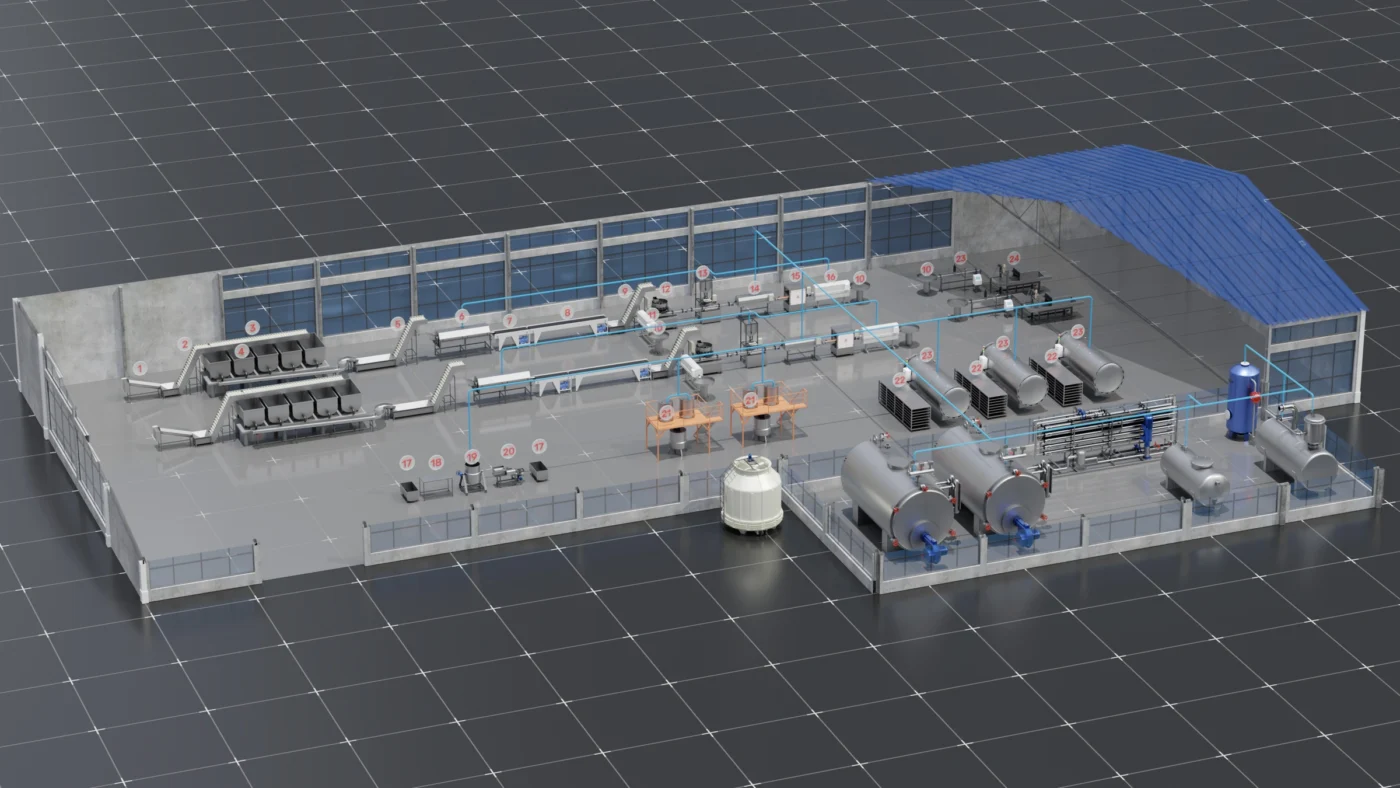
Layout design

Canned beans & legumes production line machinery

  1. Secondary grit remover
  2. Legume blancher
  3. Rotary filler
  4. Sauce doser
  5. Exhaust tunnel
  6. Metal can seamer
  7. Can washer
  8. Retort autoclave
  9. Inkjet date coder
Supplied three-dimensional layout of the canned beans and legumes production line

Canned beans and legumes production line layout supplied with the project materials.

Layout design

Canned beans & legumes production line machinery

Supplied three-dimensional layout of the canned beans and legumes production line

Canned beans and legumes production line layout supplied with the project materials.

  1. Secondary grit remover
  2. Legume blancher
  3. Rotary filler
  4. Sauce doser
  5. Exhaust tunnel
  1. Metal can seamer
  2. Can washer
  3. Retort autoclave
  4. Inkjet date coder

MAIN MACHINES INCLUDED

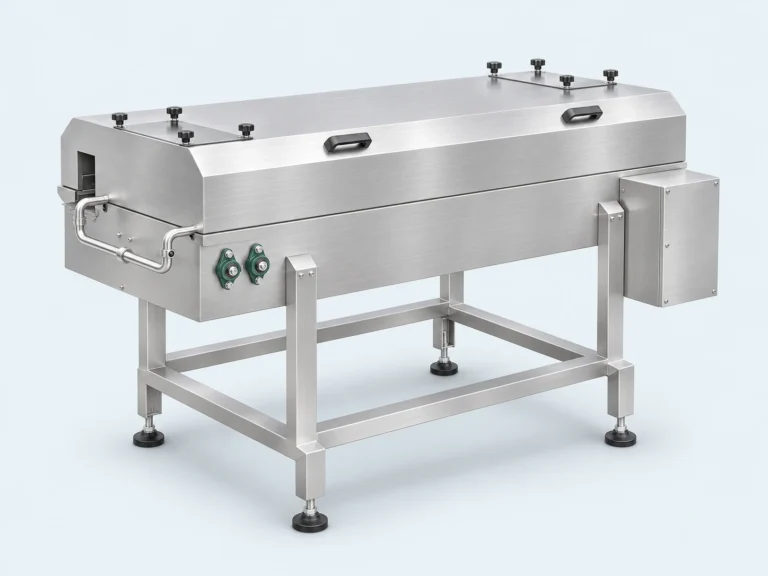
Secondary Legume Grit Remover

Separating waste and stones from legumes.

The secondary grit remover performs the final separation of sand, small stones and heavy impurities remaining in washed legumes. Continuous water circulation and flow improve the accuracy of raw-material preparation and help supply stone-free ingredients for the finished product.

BCP1451

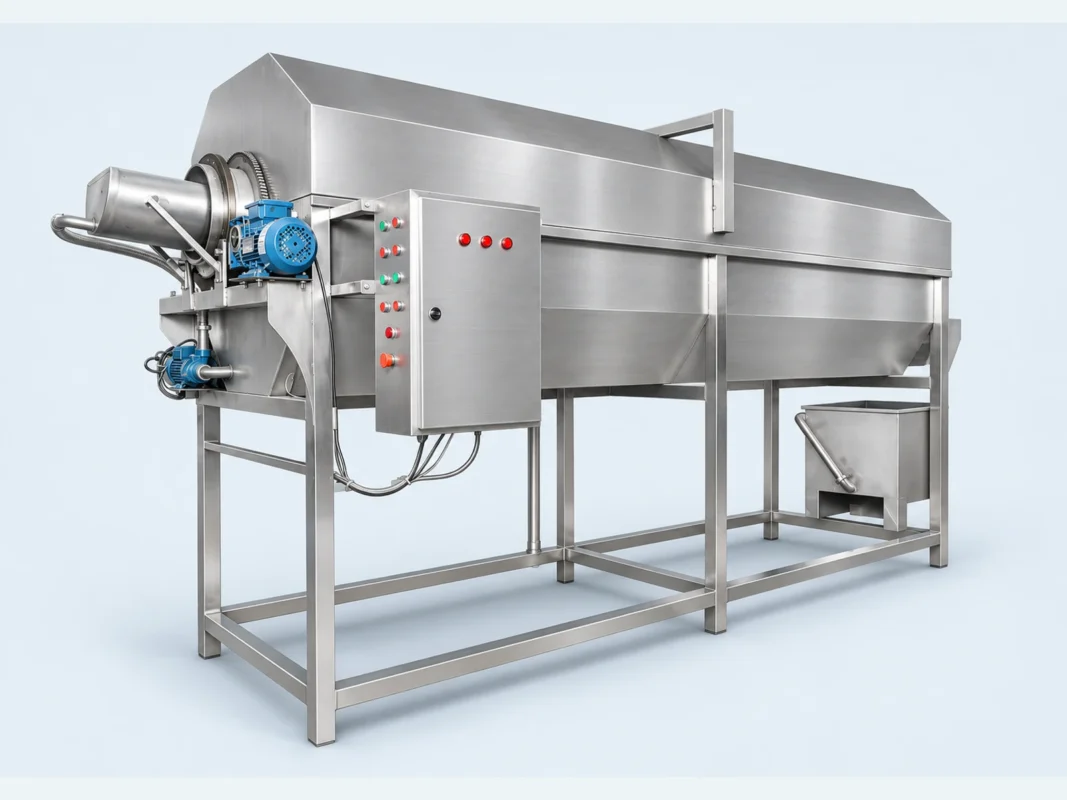
Stainless steel legume cooking blancher with its original enclosed processing body

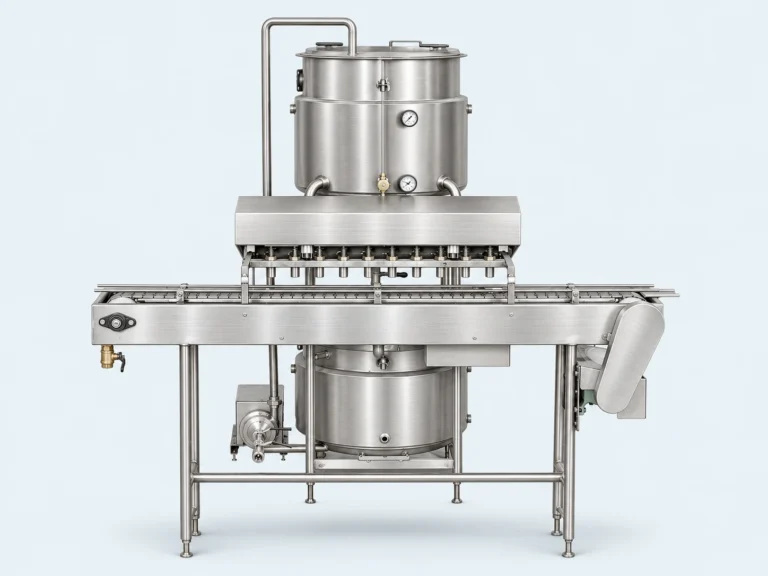
Legume Cooking Blancher

Precooking and enzyme inactivation in legumes.

The blancher precooks legumes and makes their texture more uniform before filling. Controlled heating stabilises the product texture for the subsequent processing stages. This supports consistent cooking times, improves sensory quality and increases the efficiency of the sterilisation process.

BCP1453 · 1–5 tonnes/hour

Rotary volumetric filler for cooked beans and legumes

Rotary Legume Filler

Volumetric filling of different legume products.

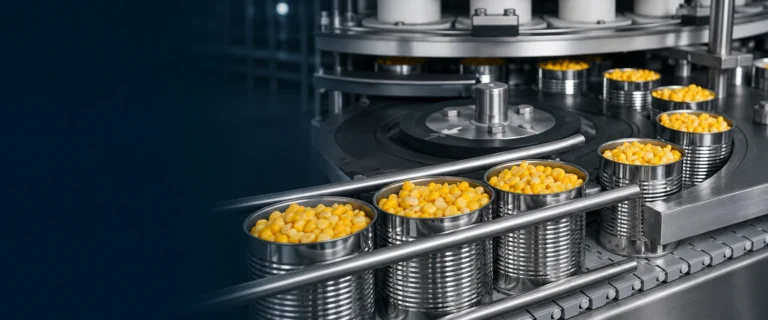
The rotary filler fills cooked legumes uniformly into different containers. Its rotating design increases filling speed and accuracy while coordinating the filling stage with the continuous flow of the production line.

FM3107 · 100–120 containers/minute

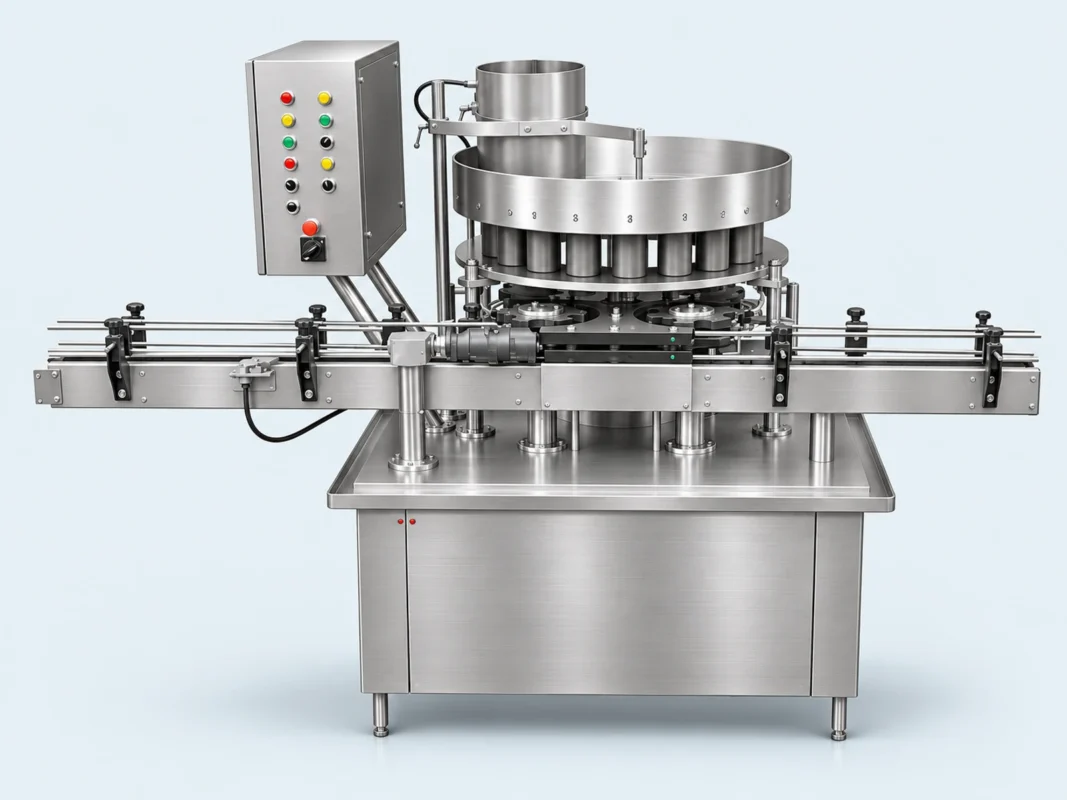
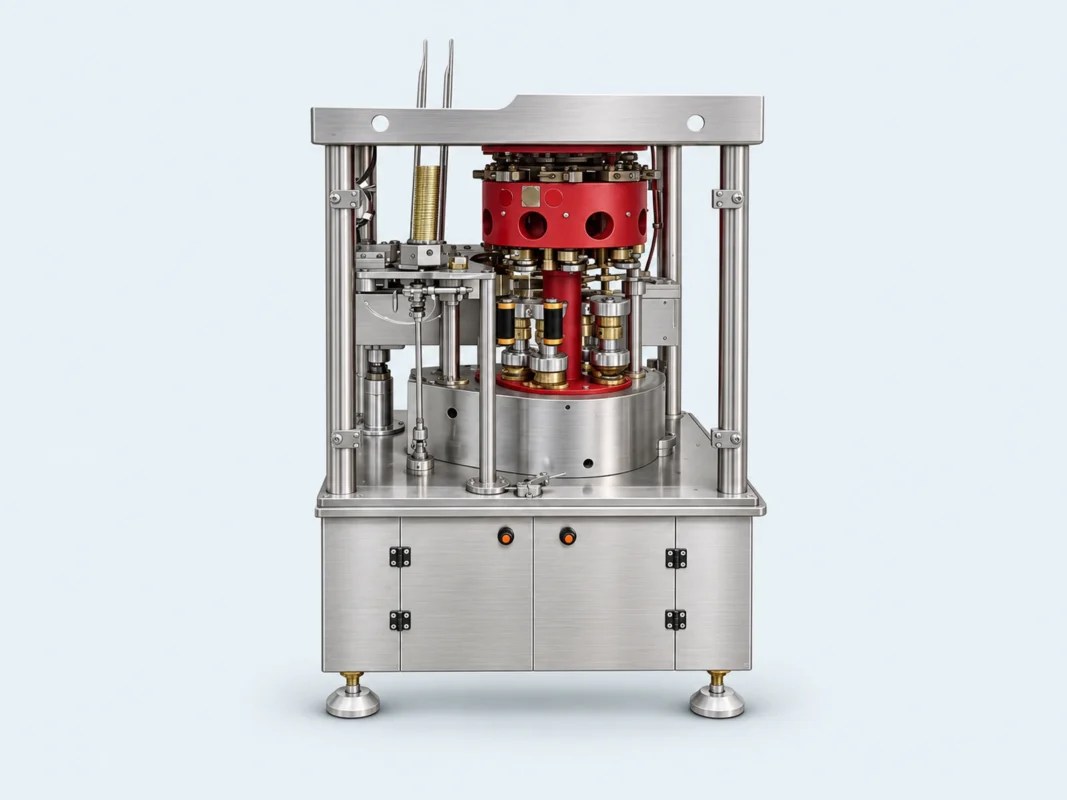
Four-head automatic metal can seaming machine

Four-Head Metal Can Seamer

Automatic sealing of metal cans.

The four-head metal can seamer creates the final seal after filling. A uniform, controlled double seam supports the microbial protection and shelf life of the finished product. The four-head rotary design provides stable operation and integration with industrial packaging lines.

CMS4102 · 100–160 cans/minute

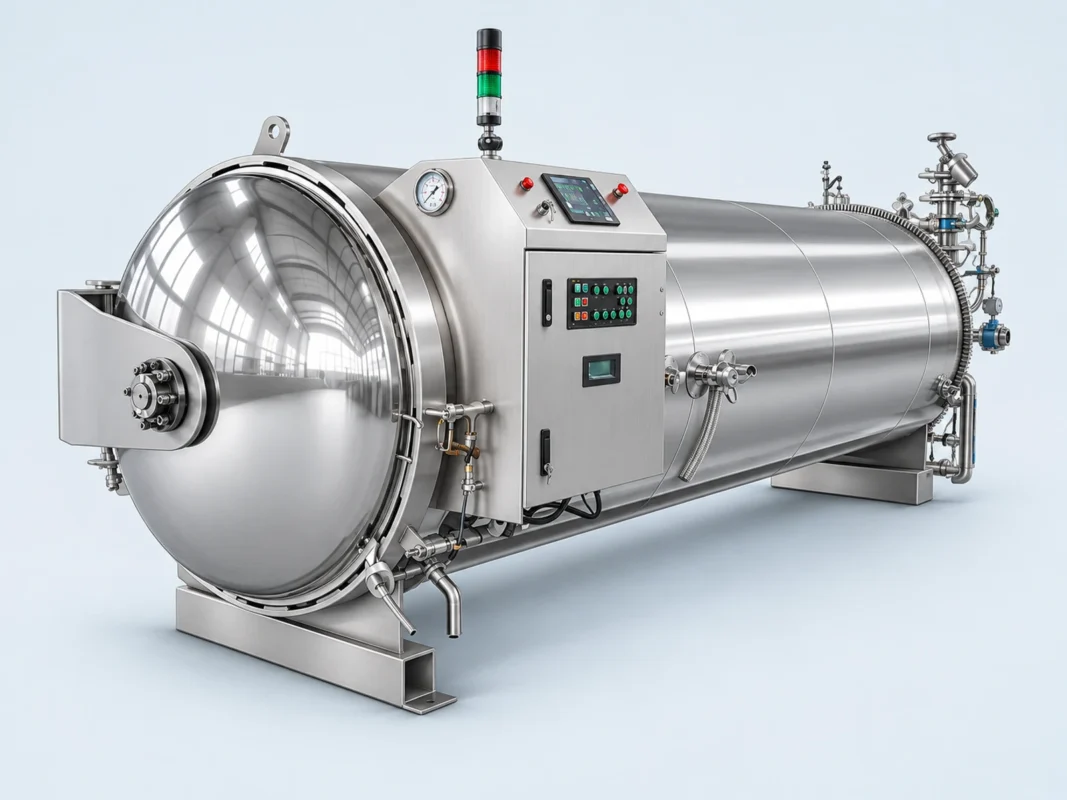
Horizontal automatic retort autoclave for canned food sterilisation

Automatic Retort Autoclave

Final cooking and sterilisation of the packaged product.

The automatic retort carries out sterilisation and final cooking of products packed in metal cans using controlled pressure and temperature. This process supports the microbial safety and shelf life of canned foods. PLC controllers manage the entire process.

GM2104

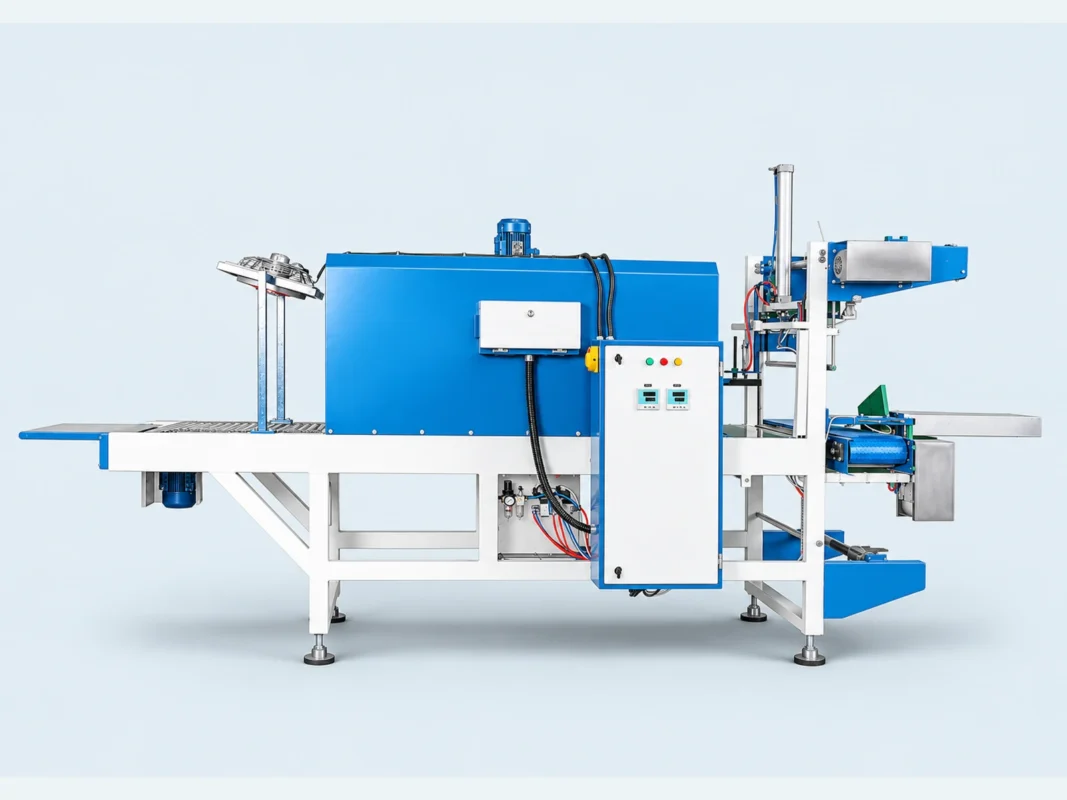
Shrink wrapping tunnel and conveyor for grouped canned products

Shrink Wrapping Machine

Collating, group packing and shrink wrapping containers.

The shrink wrapper carries out secondary packaging of finished products for transport and storage. By stabilising grouped packs and reducing physical damage, it prepares the product for distribution.

GM3229 · 400–600 packs/hour

The six main machines specified for the canned beans and legumes production line. Preparation and auxiliary equipment follow the agreed product and factory configuration.

Explore Liniea projects

View projects

ENGINEERED FOR YOUR PROCESS

How Liniea builds your canned beans and legumes machinery

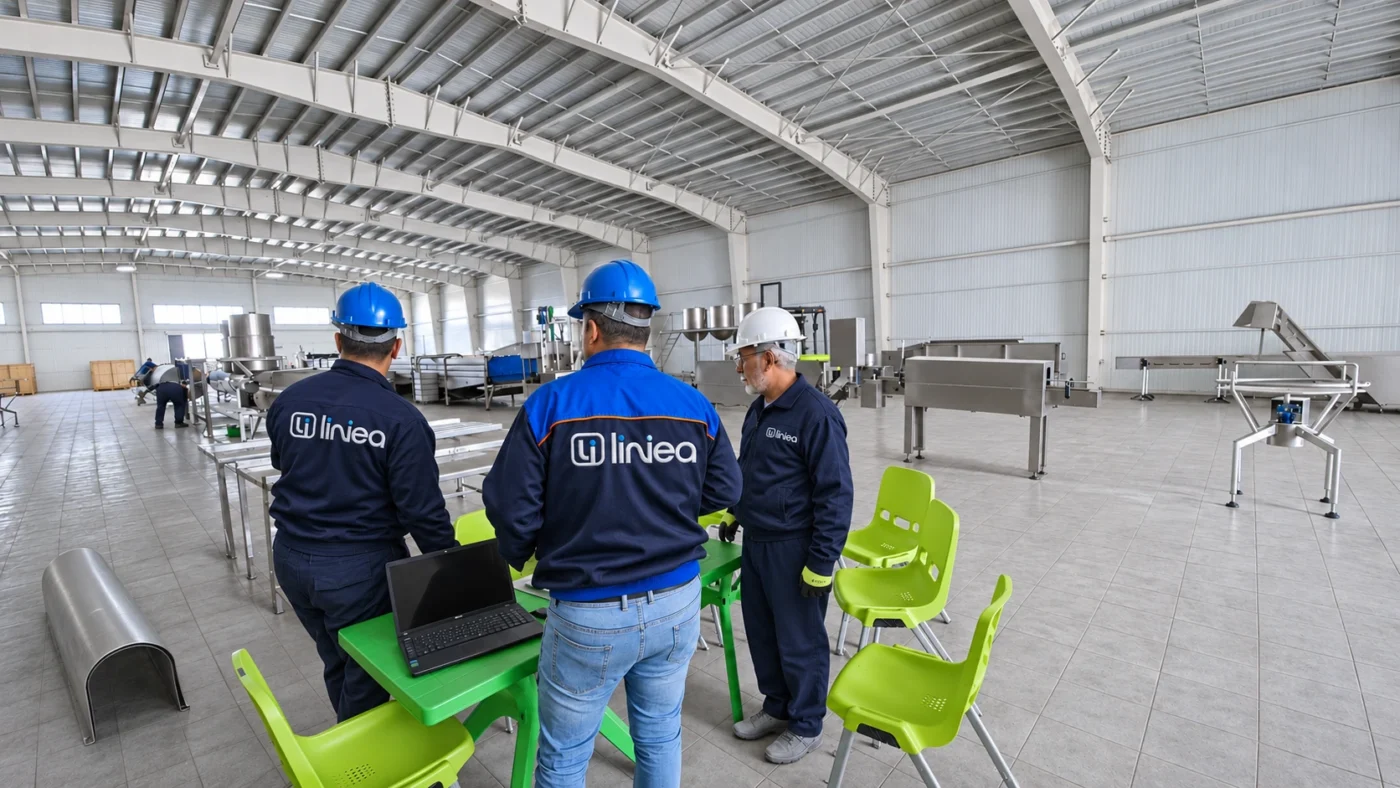
Liniea Industrial Group manufactures canned beans and legumes production lines and other canned-food production lines. Its services include line design and manufacture, supply of auxiliary equipment, installation and commissioning, operational testing, operator training and production-line performance optimisation, tailored to the needs of each production facility.

Production line team wearing Liniea branded workwear inside a food processing factory

From process requirements to a coordinated equipment package.

01

Process specification

Define the target capacity, product range, packaging format and level of automation, including soaking time, cooking temperature and the sterilisation thermal profile.

02

Equipment engineering

Coordinate receiving, washing, soaking, precooking, sauce preparation, filling, seaming, sterilisation and packaging as an integrated system.

03

Fabrication & assembly

Manufacture the machinery to suit the agreed production process and factory infrastructure.

04

Trial production & optimisation

Support trial production and optimise the performance of the complete production line.

How Liniea helps set up your canned beans and legumes factory

One coordinated route from site planning to commissioning.

Feasibility

Define daily output, the product portfolio, investment budget, packaging and automation level.

Factory layout

Plan preparation and washing, cooking, filling and seaming, retort processing, secondary packaging, storage and control areas.

Utilities

Plan electricity, water, and gas or diesel fuel according to the selected equipment and site conditions.

Installation

Coordinate installation and commissioning of the production line and its auxiliary equipment.

Commissioning

Carry out operational tests, train operators and optimise the performance of the complete line.

The project scope is tailored to your site, product and production requirements.

Canned beans & legumes line: your questions answered

What determines the cost of setting up a canned beans and legumes production line?

The cost depends on parameters such as production capacity—for example, tonnes of raw-material input per day—the level of automation, packaging type, equipment quality and auxiliary services. Higher capacity and greater automation increase the initial investment, while offering the potential to reduce operating costs.

The final cost includes the main machinery, installation and commissioning, technical utilities and site engineering. During engineering design, these costs are estimated for the project location, product type and customer requirements. Selecting suitable capacity and equipment can help improve the investment payback.

The floor area and infrastructure depend directly on daily production capacity, product variety, the level of automation and equipment layout. The production hall typically accommodates legume preparation and washing, cooking and thermal processing, filling and seaming, retort sterilisation, secondary packaging, finished-product storage and control units.

During engineering design, the area for each section, utility requirements and auxiliary equipment are calculated and finalised for the site conditions, product, selected machinery and hygiene requirements. Proper space and utility planning supports productivity, future expansion and stable line operation.

Yes. When the preparation machinery required for the other products is included, cooking and packaging equipment can be shared across different non-meat canned foods.

Depending on the defined production scope, appropriate preparation equipment and adjustable cooking conditions, heating times and packaging parameters allow the line to handle beans, chickpeas, lentils, broad beans, sweetcorn and different stews.

The main differences concern management of cooking, product transfer and the precision of thermal and weight controls. These affect legume texture uniformity, the sauce-to-solids ratio and overall production efficiency.

In fully automatic systems, the transfer of soaked legumes, filling, sauce addition, seaming and transfer to the retort are coordinated within the production flow. Automatic control of temperature, cooking time and fill weight helps reduce waste, increase capacity and maintain consistent quality at high volumes.

In semi-automatic lines, operators carry out some tasks, such as loading cooking vessels, transferring product to the filler or arranging cartons. This arrangement offers greater flexibility and a lower initial investment, but maintaining consistent quality requires close, continuous operational supervision.

Yes. Canned beans and legumes lines can be designed for future increases in production capacity or the addition of supplementary equipment. Expansion can include more machine stations, upgraded automation, secondary packaging sections and auxiliary equipment.

The extent of expansion depends on the original design, available space and engineering provisions. Planning these options from the start helps optimise the cost of future upgrades.

€

How much does a canned beans and legumes production line cost?

Capacity, automation, packaging, equipment quality and auxiliary services determine the investment. The project budget includes the main machines, installation and commissioning, technical utilities and site engineering.

A detailed estimate is prepared for the project location, product and customer requirements during engineering design.

EquipmentInstallationUtilities
Discuss your project budget

Canned beans & legumes production insights

Canned Beans Factory Space and Utility Planning

A useful factory layout follows the movement of materials and people through production. It must accommodate preparation, thermal processing, filling, packing and [...]

Read article
Semi-Automatic vs Fully Automatic Canned Beans Lines

The choice between semi-automatic and fully automatic production affects how cooking, product transfer, filling and thermal processing are coordinated. It should follow [...]

Read article
Choosing and Balancing Canned Beans Line Capacity

The right capacity is the amount of saleable product a factory can produce and sell consistently. Selecting a filler by its highest [...]

Read article
Explore all 12 planning guides

READY TO START YOUR PRODUCTION PROJECT?

Discuss your product, capacity and factory requirements with Liniea.