


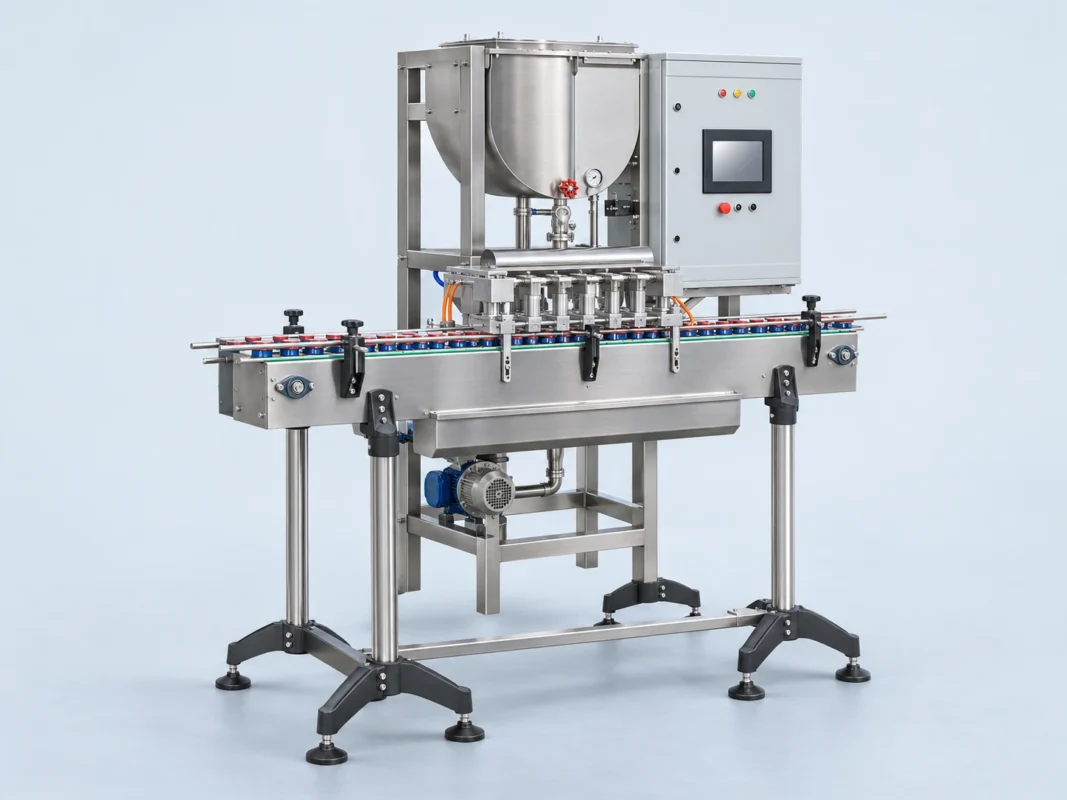
Production continuity depends on the ability to operate, maintain and troubleshoot the complete line after installation. After-sales planning should begin with the equipment scope and continue through commissioning and daily operation.
Make the handover useful to operators
Installation and commissioning should establish the agreed production process, operating checks and responsibilities. The supplied Liniea scope includes operational testing, operator training and performance optimisation. Keep operating documentation and the equipment configuration available to the people responsible for each stage.
Prepare maintenance and critical spares
Identify routine inspections and the parts whose failure could stop the line. Plan access for service and define how faults are reported. A practical spare-parts list reflects the actual installed machinery and its operating conditions; it should be reviewed as the line changes or additional equipment is installed.
Clarify the scope of support
The supplied line specification states an 18-month equipment warranty and 10 years of after-sales service. The project agreement should explain the applicable terms, coverage and support arrangements. Do not assume that a service period by itself establishes response times, free parts or unlimited site visits. Use maintenance records and recurring issues to direct further operator training and performance improvements.
Planning checklist
- Equipment documentation and operator training
- Preventive maintenance ownership
- Critical-spares identification
- Clear fault reporting and support route
- Agreed warranty and service terms
Plan your canned tuna line with Liniea
Review the canned tuna production line and discuss your product, site and production requirements with Liniea.
