


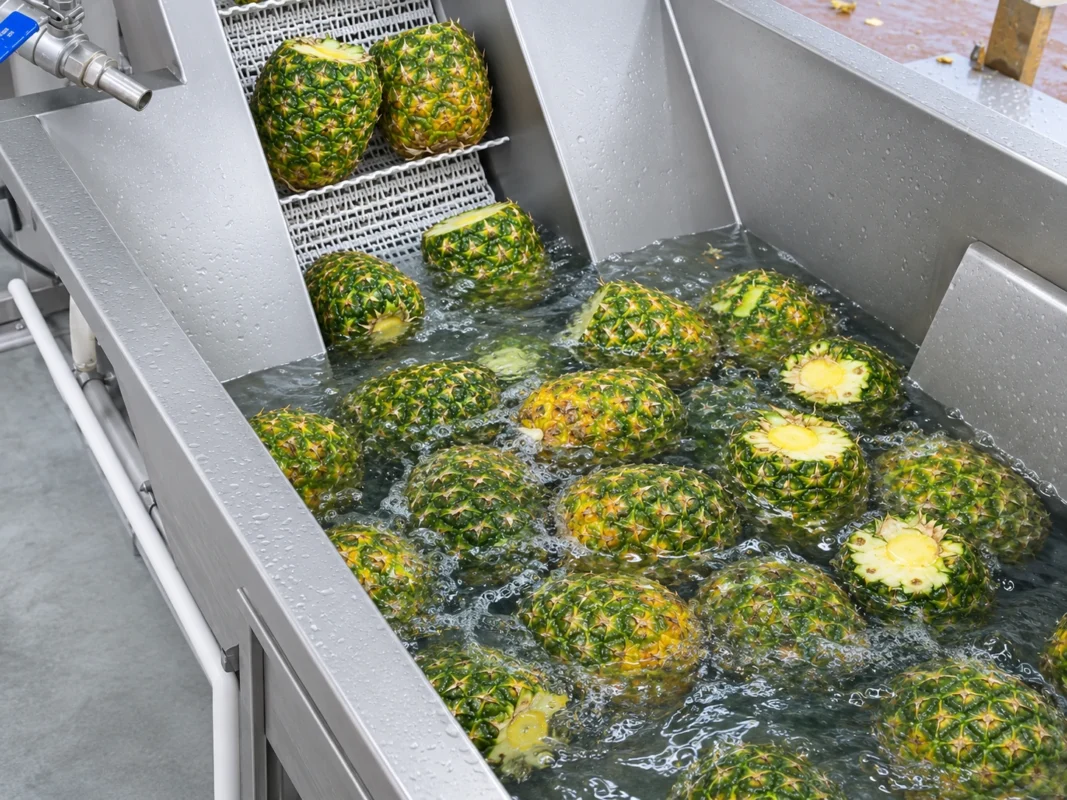
Align product specifications, hygiene, packaging and records with the requirements of the destination market.
Start with the destination market
Export requirements depend on the product and the country where it will be sold. Define the product name, fruit composition, recipe, packaging, labelling and customer specifications before finalising the manufacturing plan. Jam, jelly, marmalade and compote are not interchangeable descriptions. Check the rules applicable to the actual formulation and presentation.
Distinguish reference standards from certification
The supplied Liniea documentation lists national standards 214, 92, 7610, 1881 and 14659 for the line and its six specified machines. These are document references, not evidence that a particular factory or product is certified. Confirm each reference’s applicability and current requirements with the responsible quality and regulatory advisers. International product standards may also inform a buyer’s specification.
Translate requirements into controls
Fruit preparation, cooking temperature and time, Brix, filling, closure integrity and post-closing treatment need suitable operating controls. The desired finished texture, colour and appearance should be measurable against an agreed specification. Hygienic material flow, clean and semi-clean zoning, water quality and cleaning access support the factory’s hygiene programme.
Prepare records that support acceptance
Agree incoming-material checks, batch records, packaging specifications, process validation and finished-product release criteria. Review labels and shelf-life evidence for the destination market. A machinery supplier’s equipment description does not replace product approval or local regulatory review. Liniea can engineer the processing and packaging system around the documented requirements, while the producer confirms compliance for the finished product.
Explore the Liniea jam and fruit compote production line or discuss your factory requirements.
