


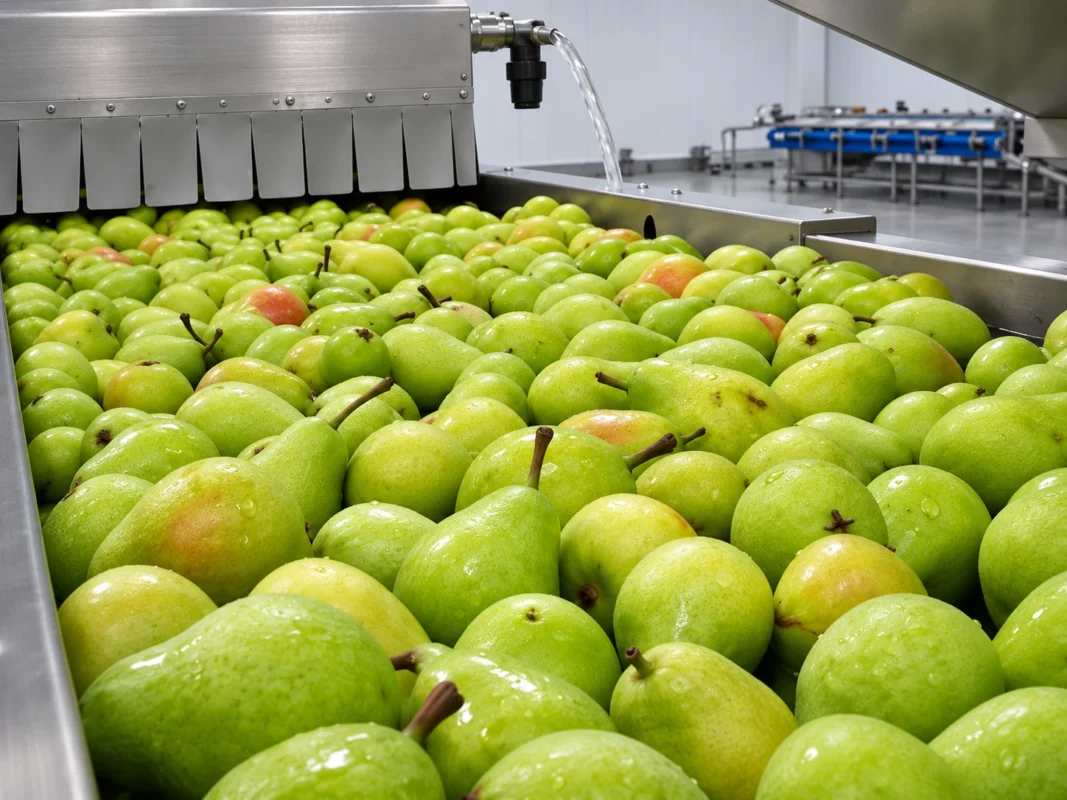
Understand how yield, packaging, quality consistency, energy use and capacity utilisation affect production economics.
Measure saleable output
Production economics depend on product that meets the agreed quality and can be sold. Fruit losses, over-processing, inconsistent Brix, damaged pieces, filling variation or closure rejects reduce usable output. Define acceptable quality and record losses by production stage. For compote, intact texture and uniform pieces matter; for jam, consistency, colour and concentration are central controls.
Review major operating inputs
Fruit, sugar and other ingredients, jars or cans, closures, labels, labour, utilities and distribution all affect the cost of each finished unit. Packaging changes can alter filling speed and handling requirements. Compare production records with the assumptions used during planning, and distinguish unavoidable recipe yield changes from losses caused by equipment or operating problems.
Use capacity effectively
A larger line does not automatically produce a better financial result. Capacity utilisation depends on reliable supply, market demand, working hours, cleaning and seasonal scheduling. Integrated control and appropriate automation may improve consistency and reduce waste, but the benefit must be measured against their investment and maintenance requirements. Include planned downtime and changeovers in the production schedule.
Improve decisions with operating records
Track material input, finished output, rejects, energy use, labour hours and stoppage causes for each recipe. These records help identify whether preparation, cooking, filling or packaging offers the strongest improvement opportunity. Avoid promising a profit margin or payback period without actual costs and sales evidence. Liniea can support line-performance optimisation while the business evaluates its own commercial results.
Explore the Liniea jam and fruit compote production line or discuss your factory requirements.
