


Tomato paste shelf life cannot be assigned from concentration or packaging appearance alone. It depends on the product, the preservation process, the package and the conditions under which the finished product is stored and distributed. A shelf-life statement needs evidence for that specific combination.
This article concerns commercial product development and manufacturing. It does not provide a universal processing schedule or a fixed expiry period. The responsible food-safety specialists and process authority must establish and validate the process appropriate to the product and destination market.
Begin with a defined product specification
Document the formulation, concentration, relevant physical and chemical characteristics, packaging system and intended distribution conditions. Changes in ingredients, pack size or product characteristics can affect the assessment. Keep the specification linked to the production records used in the shelf-life study.
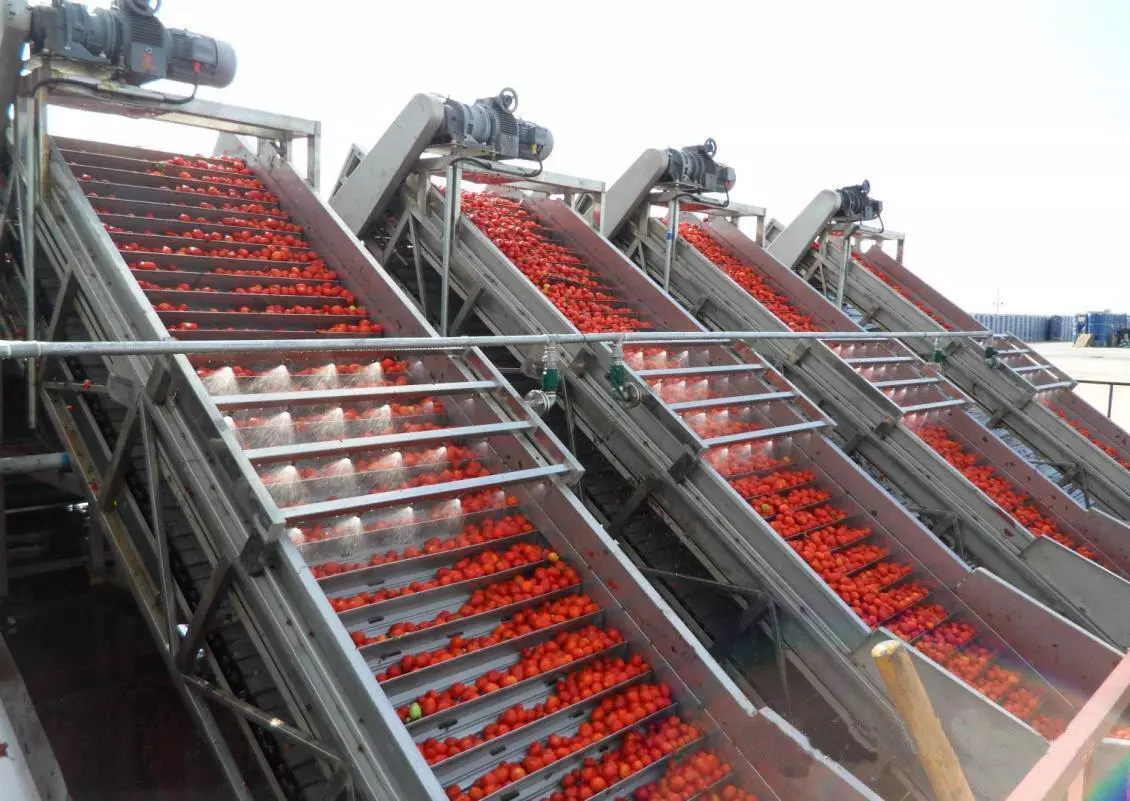
Incoming raw-material quality also matters. Receiving inspection and sorting help control unsuitable fruit before processing. Define acceptance criteria and traceability so that an investigation can link a finished lot to its ingredients and processing history.
Treat processing and packaging as one preservation system
For an aseptic route, product treatment and the sterile packaging system must work together. FDA inspection guidance describes the need to maintain the established conditions through processing and packaging and to manage deviations. That guidance has a specific US regulatory context; applicability must be assessed for the actual product.
For any selected route, validation should account for the equipment, product and container. Do not transfer a time-temperature setting from another product or assume that an attractive package proves adequate treatment. Specify how critical conditions are monitored and who reviews the records before release.
Protect package integrity after filling
A package must remain suitable through closing, cooling where applicable, handling, storage and transport. Establish inspection and testing appropriate to the container system. Check damage risks at conveyors, palletising, warehousing and loading, not only at the filler.
For metal cans, closure evaluation is a specialised quality-control activity. FDA's container-integrity laboratory guidance illustrates the range of defects that may need investigation. Use procedures, training and acceptance criteria appropriate to the actual can and closure system rather than relying on visual appearance alone.
Design a shelf-life study around real distribution
Agree the study protocol with qualified specialists. Define the product lots, storage conditions, sampling intervals, microbiological and quality evaluations, and acceptance criteria. Include the intended packaging and the conditions reasonably expected in distribution.
Quality changes and safety are related but distinct evaluation questions. Colour, flavour and consistency may become unacceptable even when a package remains intact. Conversely, acceptable appearance does not establish microbiological safety. Document the basis for both the expiry claim and the storage instructions.
Control changes after the study
Review the evidence when changing ingredients, suppliers, product characteristics, treatment, packaging or storage conditions. Keep retained samples and traceable records according to the quality system. Investigate complaints and abnormal packs through a defined hold-and-release process.
Do not state that all tomato paste lasts a particular number of months or years. The justified duration belongs to a specified product and validated system. Once opened, the product is under different conditions and needs separate, supported handling instructions.
Does a higher Brix value guarantee longer shelf life?
No. Concentration is only one product characteristic. Processing, packaging integrity and storage remain essential to the assessment.
Can an accelerated study replace every other check?
Its suitability depends on the product and the study objective. Specialists should determine how accelerated and real-time evidence support the intended claim.
Plan your tomato processing project
Explore the Liniea tomato paste production line for the process stages and equipment overview. Share your raw-material supply, product specification, packaging format and site constraints when requesting a project-specific proposal.
