


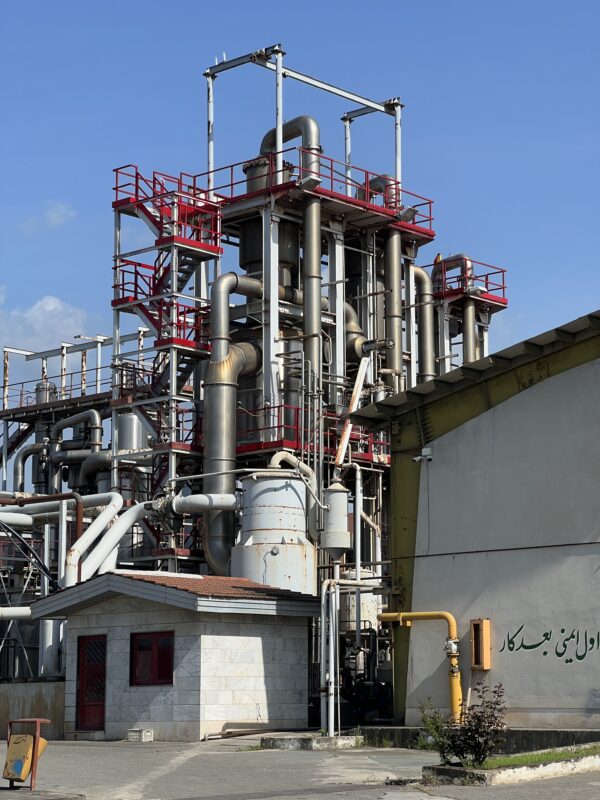
The cost of a tomato paste production line depends on the factory you intend to operate, not simply the number of machines on a quotation. A fresh-tomato processing plant and a facility that repacks purchased concentrate have different investment requirements. Start by defining which operation you need, then compare proposals against the same written scope.
This guide is a budgeting framework, not a price list. Land prices, construction conditions, energy tariffs, import charges and financing terms differ by location. A credible budget therefore combines an equipment proposal with local civil, utility and operating estimates.
Establish the design basis first
Record fresh-tomato intake per hour or per day, expected operating hours, harvest duration and finished-paste specification. State the concentration target and whether the output will enter retail cans, jars or aseptic bulk packaging. These decisions determine which process stages and packaging systems belong in the investment.
Ask suppliers to identify the raw-material and product conditions behind their capacity figures. An intake rating alone does not explain evaporation duty, finished output or packaging speed. List required automation, cleaning arrangements and the boundaries of the installation contract before comparing prices.
Separate the budget into six packages
- Processing equipment: receiving, washing, sorting, crushing, heating, refining, concentration and product transfer.
- Packaging: the selected treatment, filling, closure, handling and finished-pack inspection systems.
- Utilities: steam generation and distribution, water treatment, cooling, compressed air, electricity and wastewater handling where required.
- Site and installation: buildings, foundations, drainage, access, pipework, cables, lifting, freight and local approvals.
- Start-up: commissioning, training, laboratory equipment, initial spare parts and packaging trials.
- Working capital: tomatoes, packaging, labour and other operating payments incurred before customers pay.
Keep a separate contingency line linked to unresolved items. It should not hide known exclusions. A quotation that omits the boiler or installation can look inexpensive while leaving a substantial part of the project unfunded.
Compare total scope, not headline equipment prices
Prepare a comparison sheet with one row per deliverable and columns for supplier responsibility, owner responsibility, quantity, currency and exclusions. Request utility consumption at a stated operating condition and distinguish installed power from actual energy use. Record delivery terms, commissioning support, acceptance tests and payment milestones.
The FAO agribusiness handbook treats variable costs, fixed costs and saleable volume separately. Apply that distinction to your own budget: the purchase price is only one part of the financial model. Use current supplier quotations rather than historical market examples as cost inputs.
Include the cash needed for the first campaign
Build a monthly cash schedule covering installation, harvest purchasing, production, storage and collection from customers. A plant can have an attractive projected margin and still run short of cash if it pays growers immediately but sells finished paste on credit. Include the inventory held after the processing season and the cost of financing that inventory.
Run a base case and a downside case with lower utilisation, more expensive raw material and slower sales. The purpose is to identify the funding gap and the assumptions requiring evidence, not to promise a return.
Questions to ask before requesting a quotation
Can a supplier quote from daily capacity alone?
Only an initial scope is possible. Product concentration, packaging, site utilities, automation and installation responsibilities are needed for a useful project budget.
Should the cheapest line be selected?
Compare complete scope and lifetime operating requirements. A lower purchase price may be suitable, but only after service access, spare parts, energy requirements and acceptance criteria are understood.
Plan your tomato processing project
Explore the Liniea tomato paste production line for the process stages and equipment overview. Share your raw-material supply, product specification, packaging format and site constraints when requesting a project-specific proposal.
